
Rishabh & Swati: A Three-Day Arranged Wedding Celebration in Bareilly
When a wedding brings together two families living in different cities—and, in Rishabh’s case, even different countries—the celebration becomes more than a single wedding day. It becomes a meeting point for families, traditions and people who may have travelled a long way to be together.
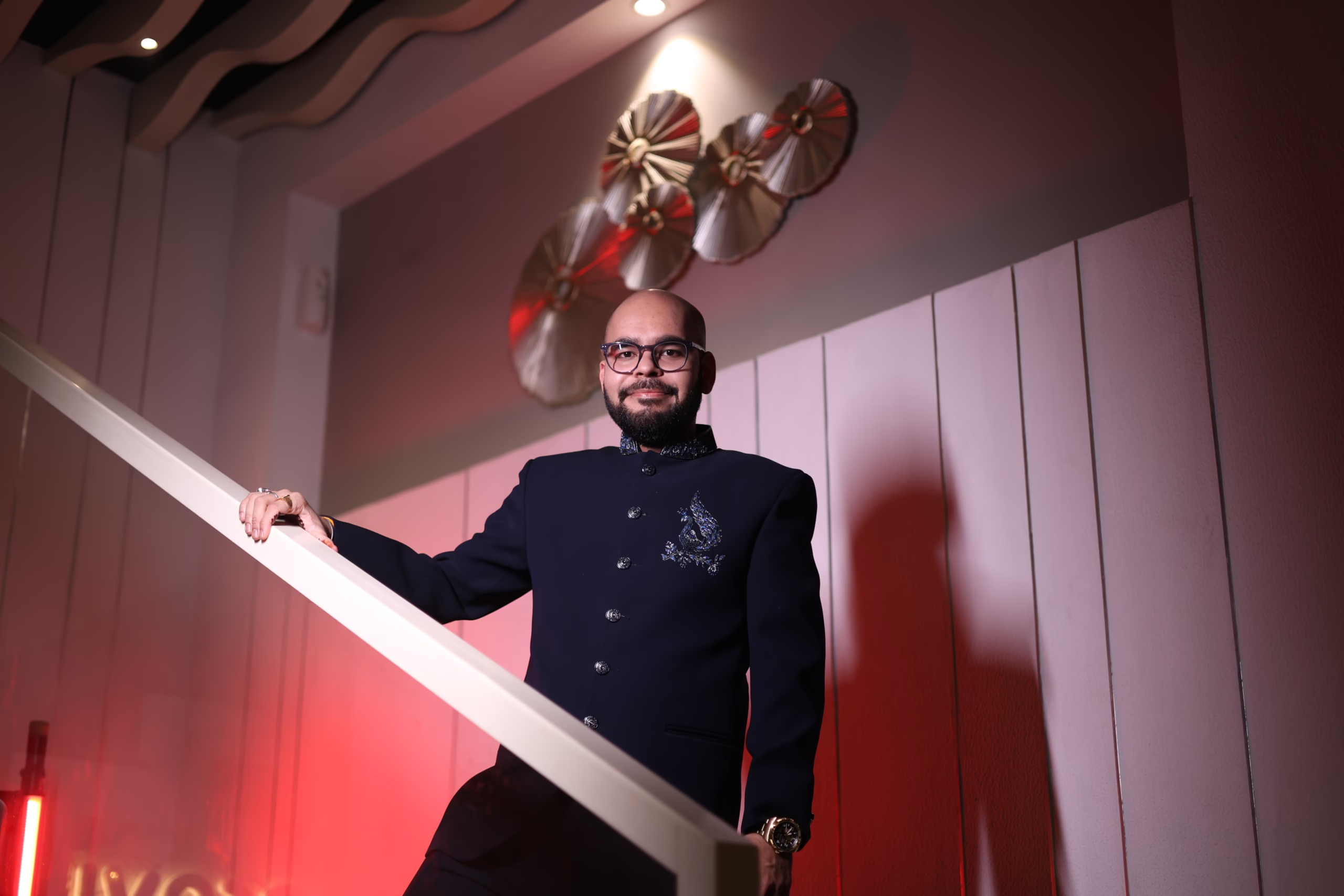
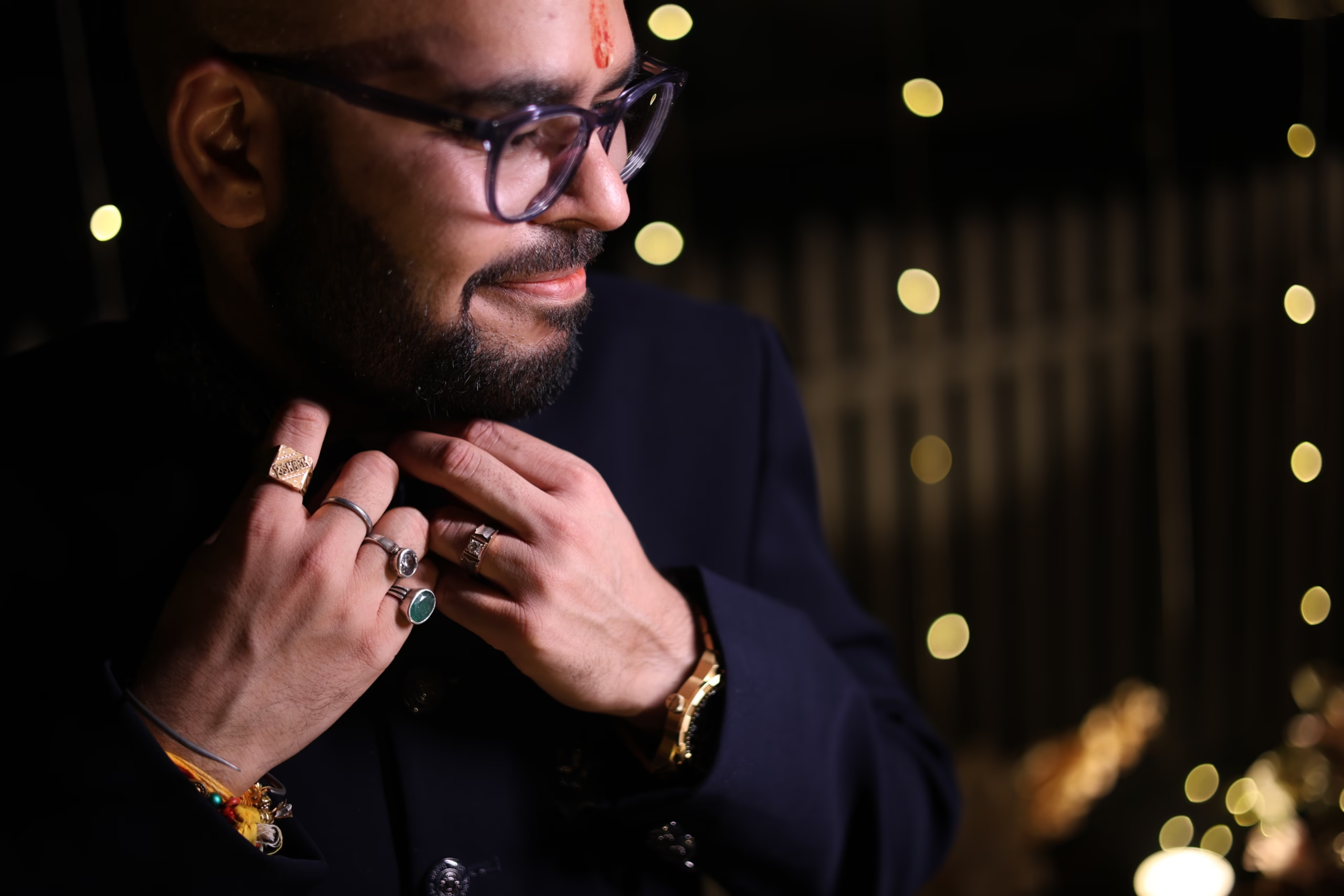
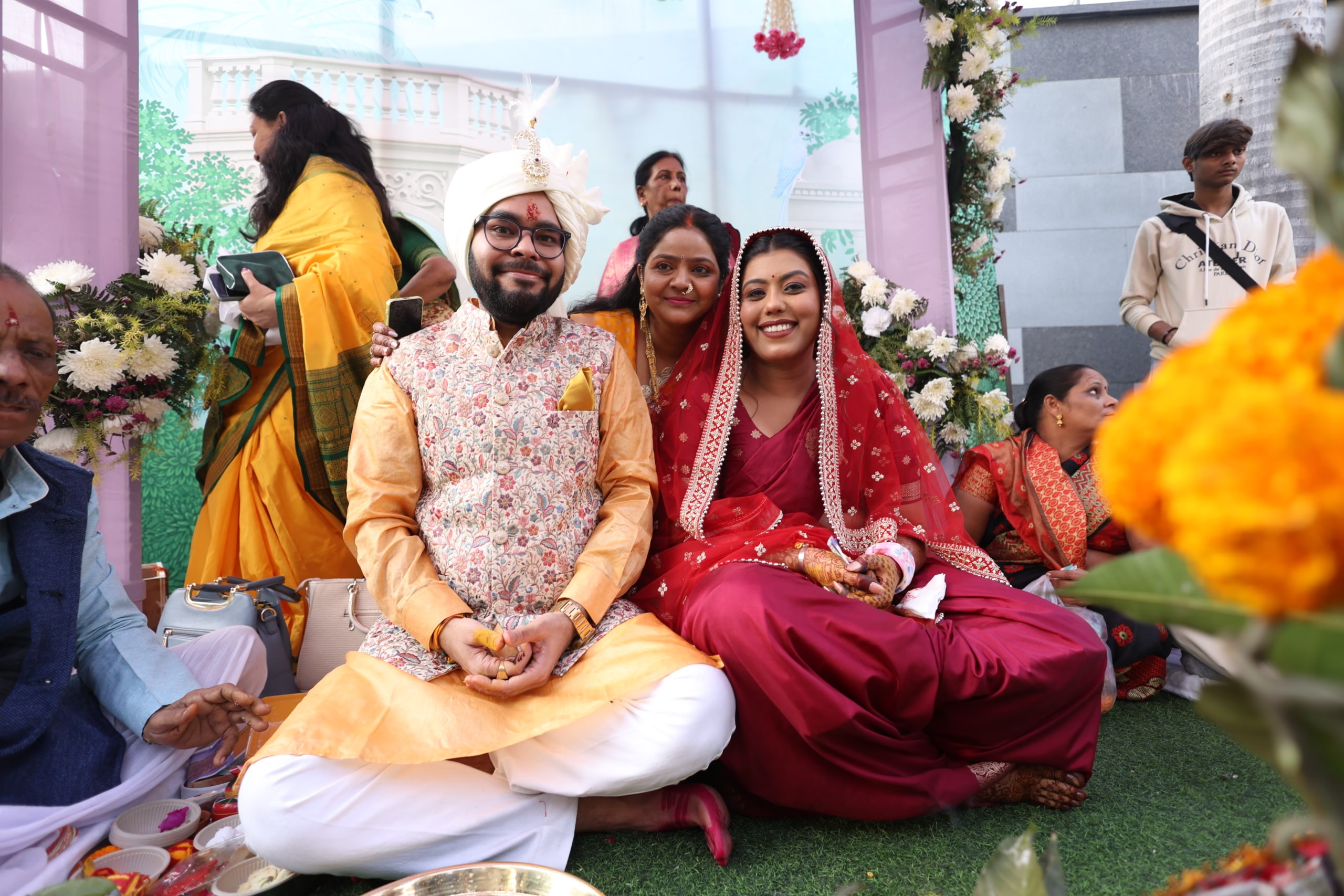
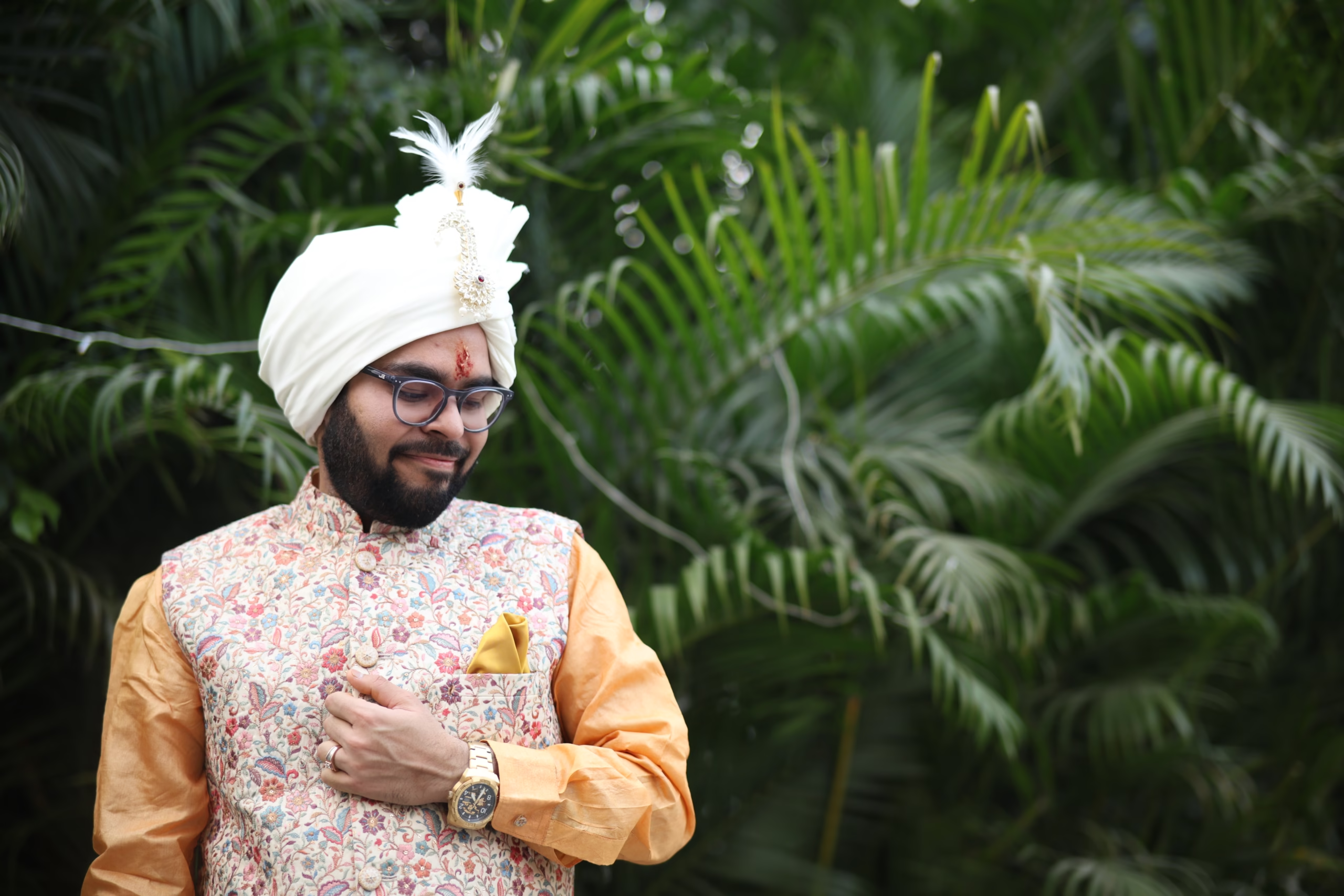
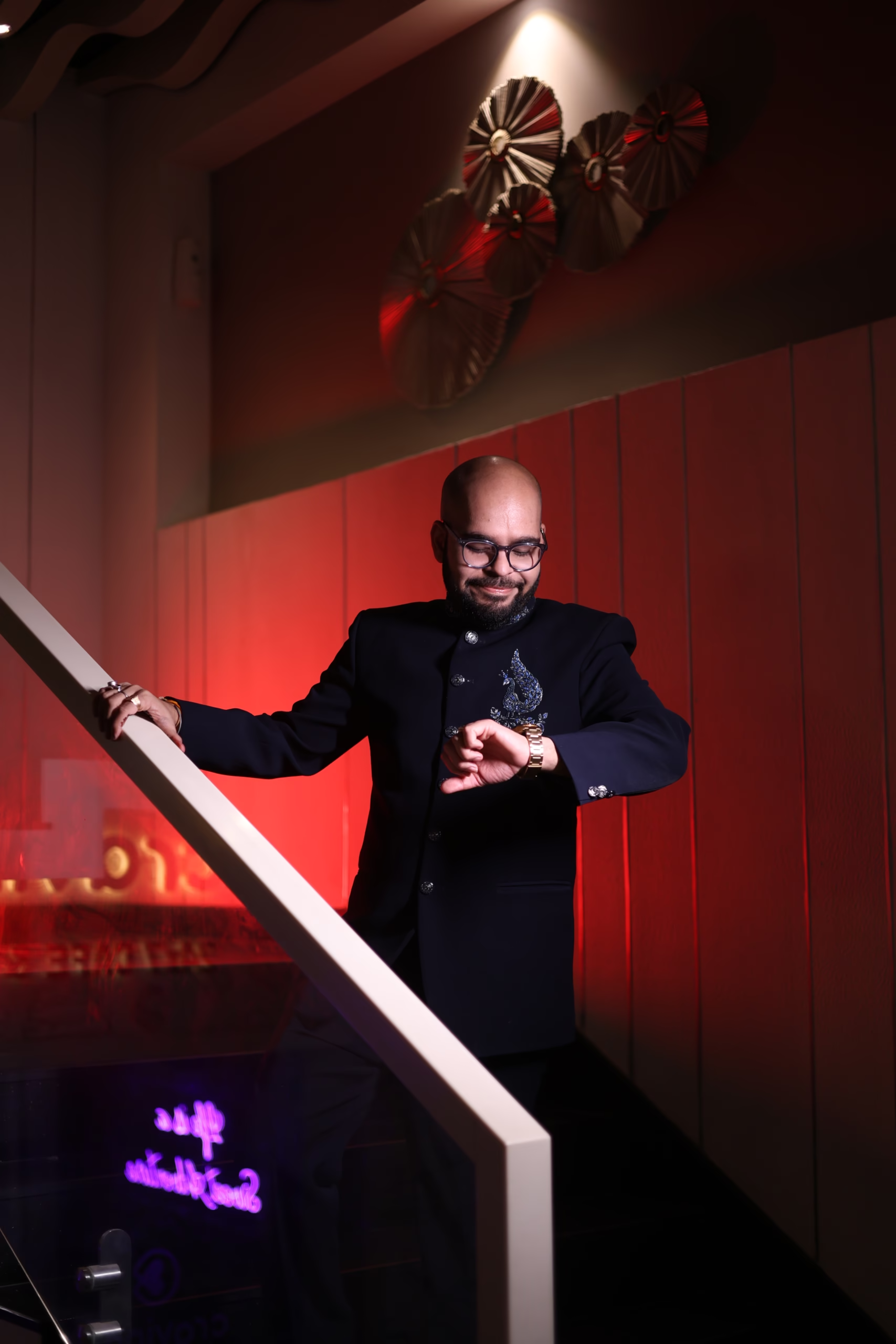
Rishabh currently lives in Germany for work, while his family is based in Kanpur. Swati and her family live in Bareilly. Their arranged marriage brought these two families together for a three-day celebration in Bareilly, with every major function carrying its own character.
For Studio Rollii, documenting celebrations like this is not simply about photographing the bride and groom. It is about preserving the movement of the entire wedding—the tilak, family gatherings, rituals, preparations, baraat, bridal portraits and the reception where everyone finally comes together.
A Three-Day Wedding in Bareilly
The wedding celebrations were spread across three days, with the functions taking place in Bareilly.
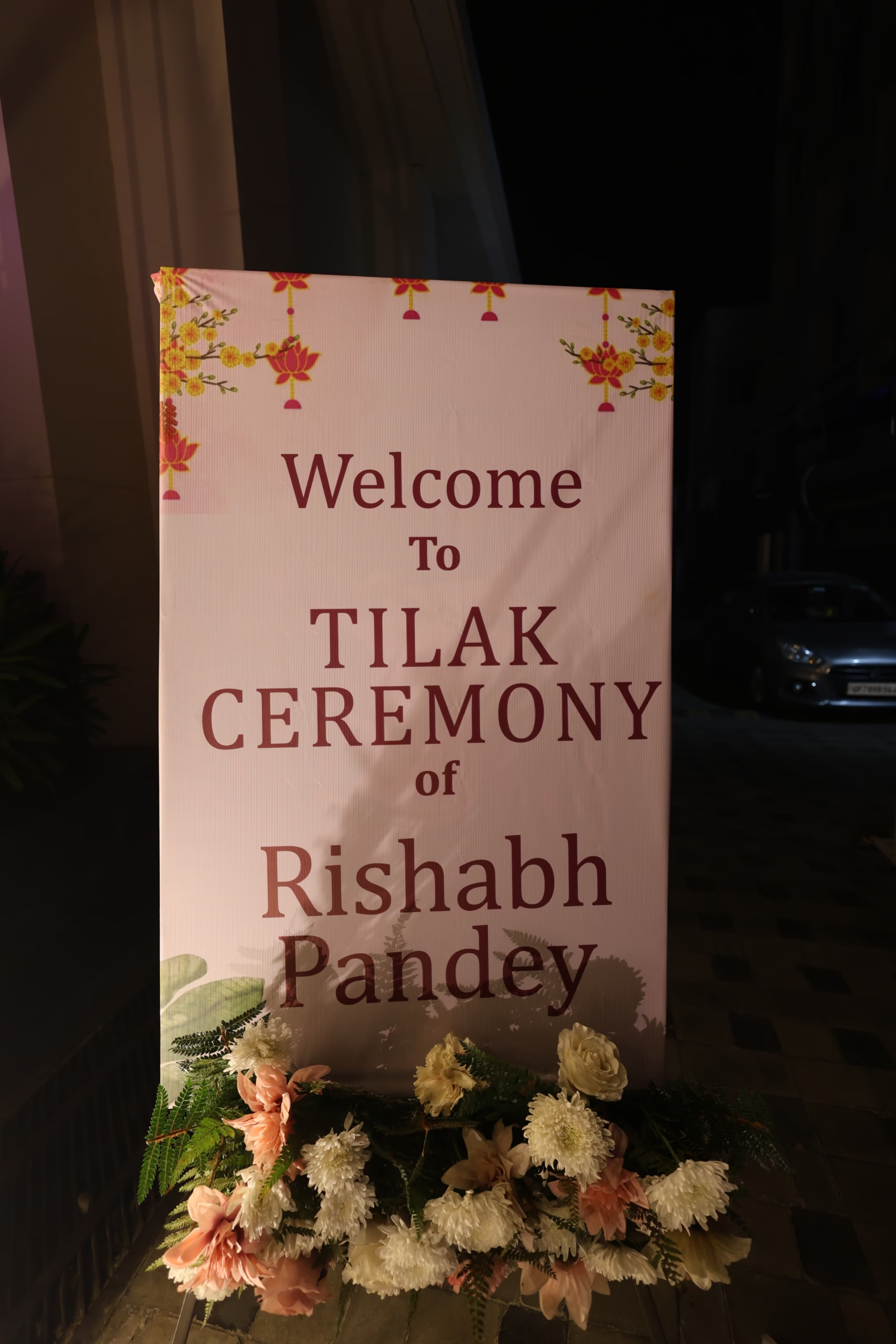
Day one began with Rishabh’s tilak ceremony, bringing the two families together before the main wedding celebrations. Day two was the wedding itself, beginning in the morning and continuing through the evening. The third day brought a grand evening reception at Bareilly Club, preceded by a bridal parlour shoot and the baraat celebrations.
For a wedding photographer, this kind of schedule creates a completely different storytelling opportunity from a single-day wedding. Each function has its own pace, light, people and emotions.
That is where a combination of traditional wedding photography and candid photography along with wedding video shoot becomes particularly useful.
Day One: Rishabh’s Tilak Ceremony
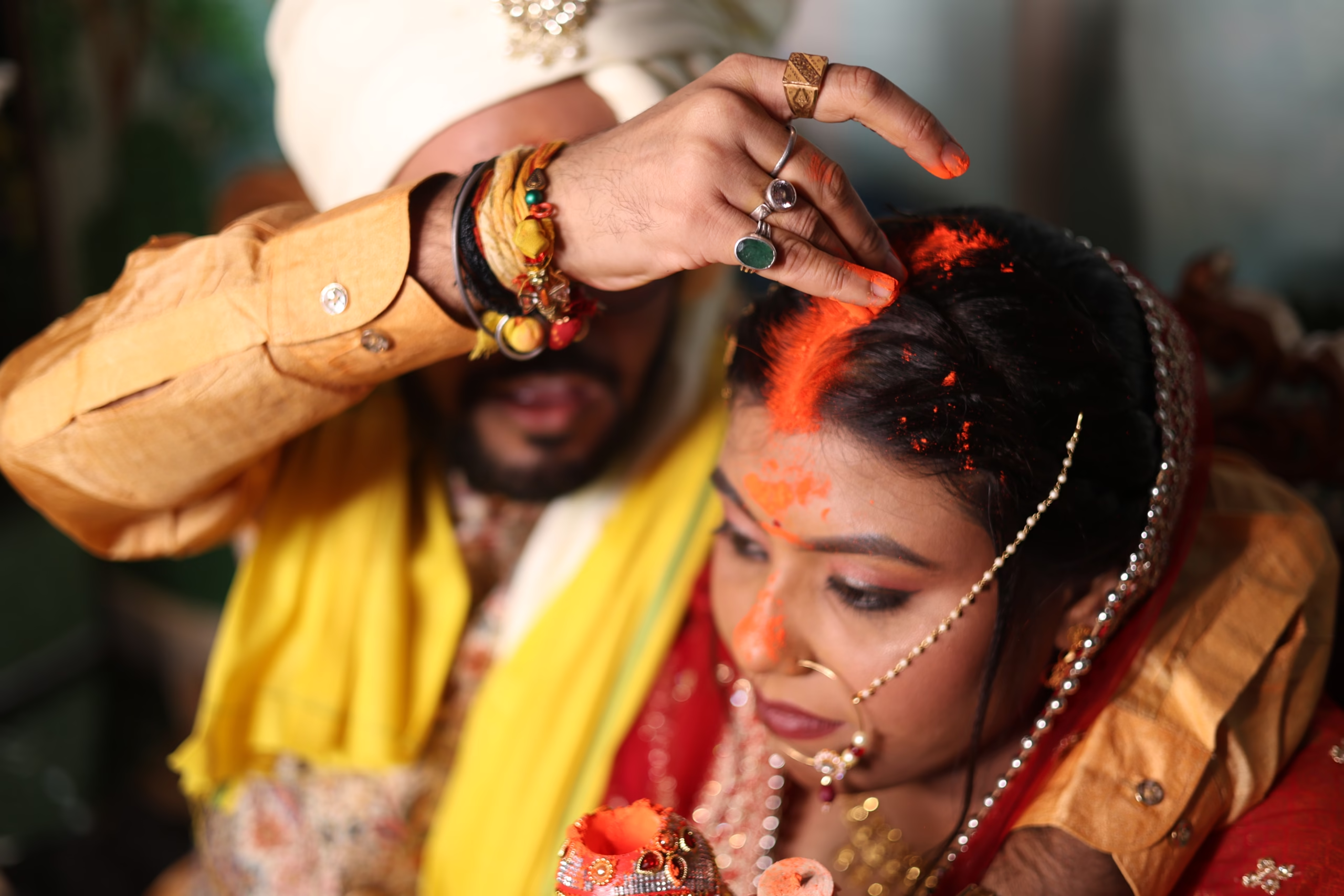
The first day belonged to the tilak ceremony of Rishabh.
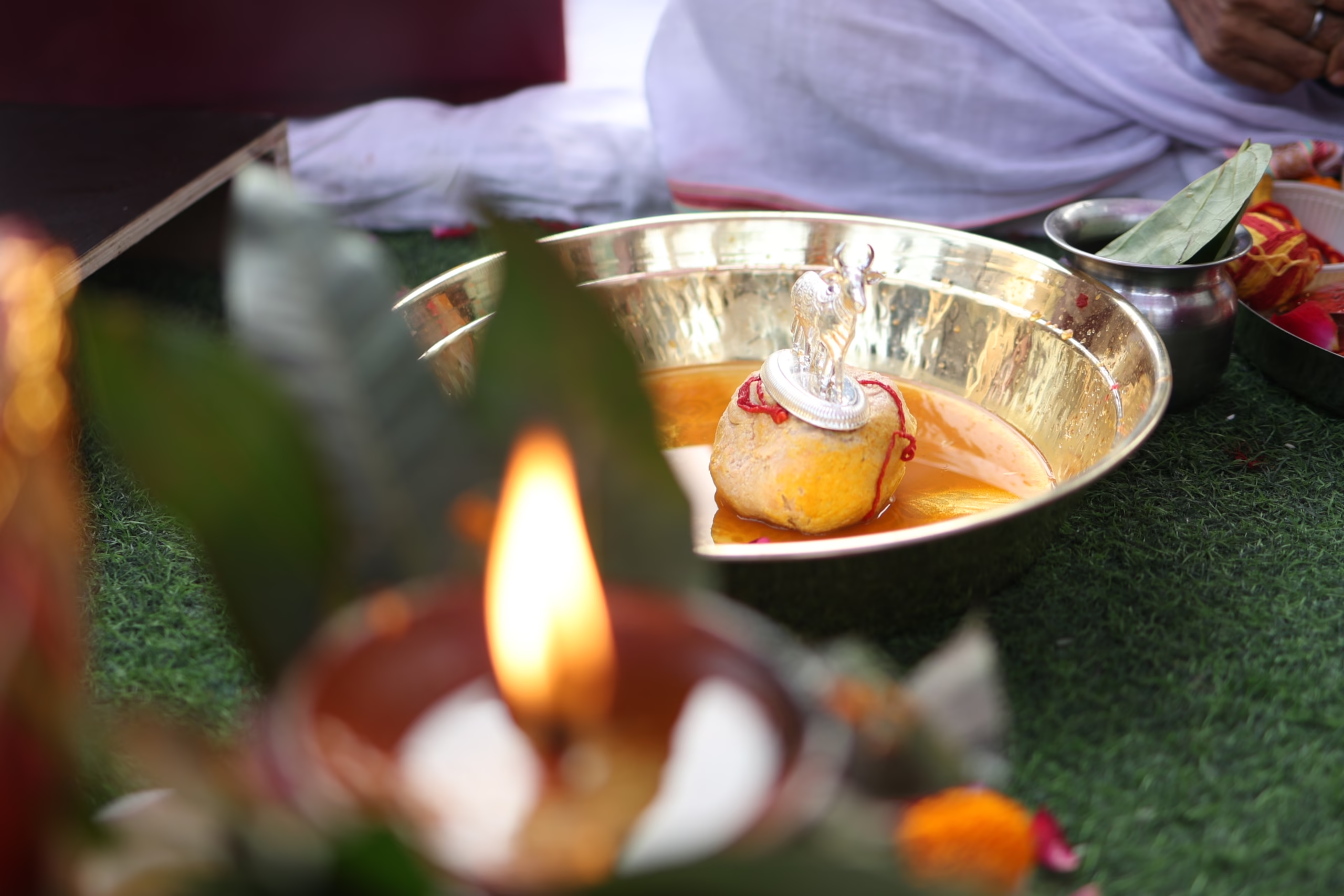
Tilak functions can sometimes be overlooked when couples plan their photography coverage, especially when the main wedding day receives most of the attention. But family members often remember these smaller gatherings just as strongly because they provide time for relatives to meet, conversations to happen and formalities to begin.
From a photography perspective, the challenge is to photograph the ceremony without making the event feel overly staged.
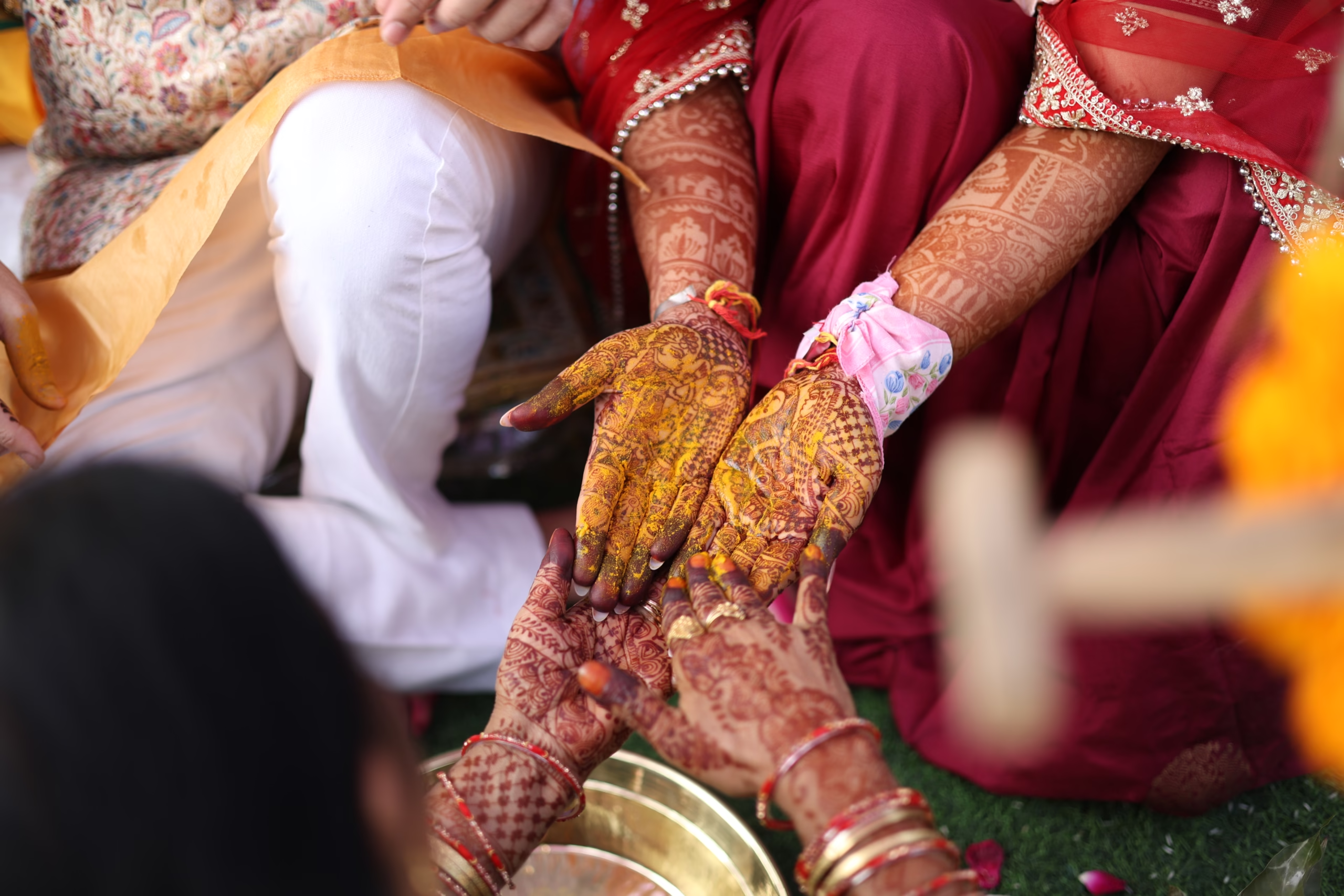
Family portraits, exchanges between relatives, details of the ceremony and candid interactions all have a place in the final wedding story. A photograph of the formal tilak may document the ritual, while a candid frame of family members talking before or after it can provide the context around that ritual.
This is one reason candid wedding photography works particularly well for multi-day Indian weddings. It adds the moments that happen between the scheduled events.
Day Two: The Wedding Day Begins in the Morning
The second day was the central wedding celebration.
Unlike weddings that begin with late-evening ceremonies, this wedding started in the morning and continued through the day before concluding in the evening. That meant the photography had to adapt to several different lighting conditions and phases of the celebration.
Morning wedding photography has its own visual character. Natural light can be softer earlier in the day, while later outdoor portions can become considerably brighter. Indoor spaces introduce another challenge, particularly when the photographer needs to balance ambient light with artificial lighting without making the photographs look unnatural.
A professional wedding photography approach is therefore not simply about carrying cameras and taking photographs at every event. It involves anticipating where the important moments will happen and being prepared for the changing conditions throughout the day.
The wedding itself also moves quickly. Rituals, family photographs, entrances and interactions can happen almost simultaneously.
The photographer has to know when to step forward for the important frame—and when to step back and allow a moment to unfold naturally.
Photographing an Arranged Marriage Beyond the Formal Portraits
Arranged marriages often bring together families who are getting to know each other while simultaneously participating in one of the most important celebrations of their lives.
In Rishabh and Swati’s case, the geographical distance added another layer to the story.
Rishabh’s professional life is in Germany, his family is in Kanpur, and Swati’s family is in Bareilly. The wedding therefore became a physical meeting point for people connected through the couple.
That is something wedding photographs can document particularly well.
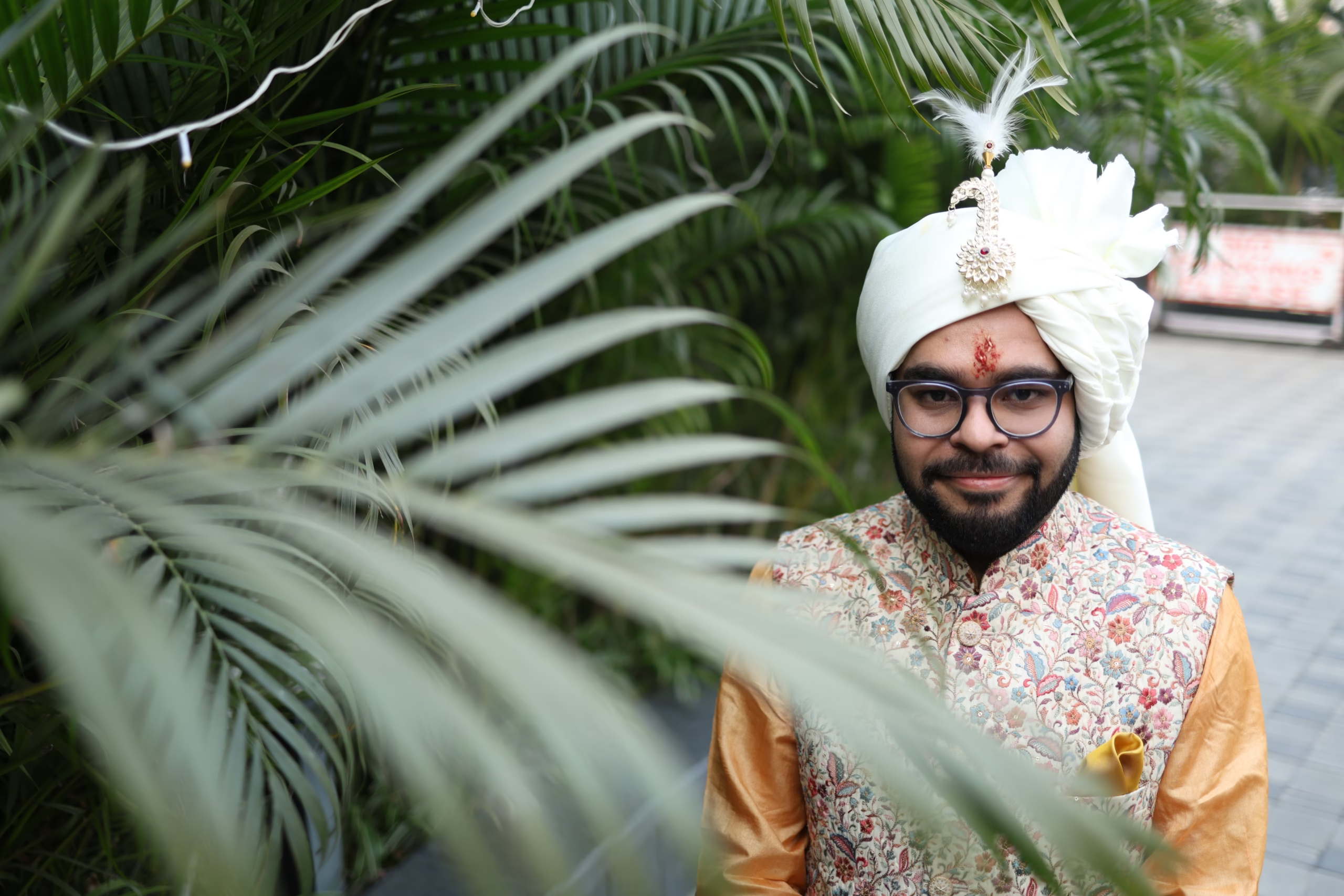
A wedding album should not consist only of photographs of the bride and groom looking at the camera. Years later, the photographs of parents, siblings, cousins and friends may become just as meaningful.
This is where documentary-style candid wedding photography has an important role. A conversation between relatives, a parent’s expression during a ritual, friends preparing for the baraat or a quiet moment before the next function can tell parts of the story that a conventional posed photograph cannot.
Day Three: Bridal Parlour Shoot Before the Reception
The third day began with preparations for the evening’s celebrations.
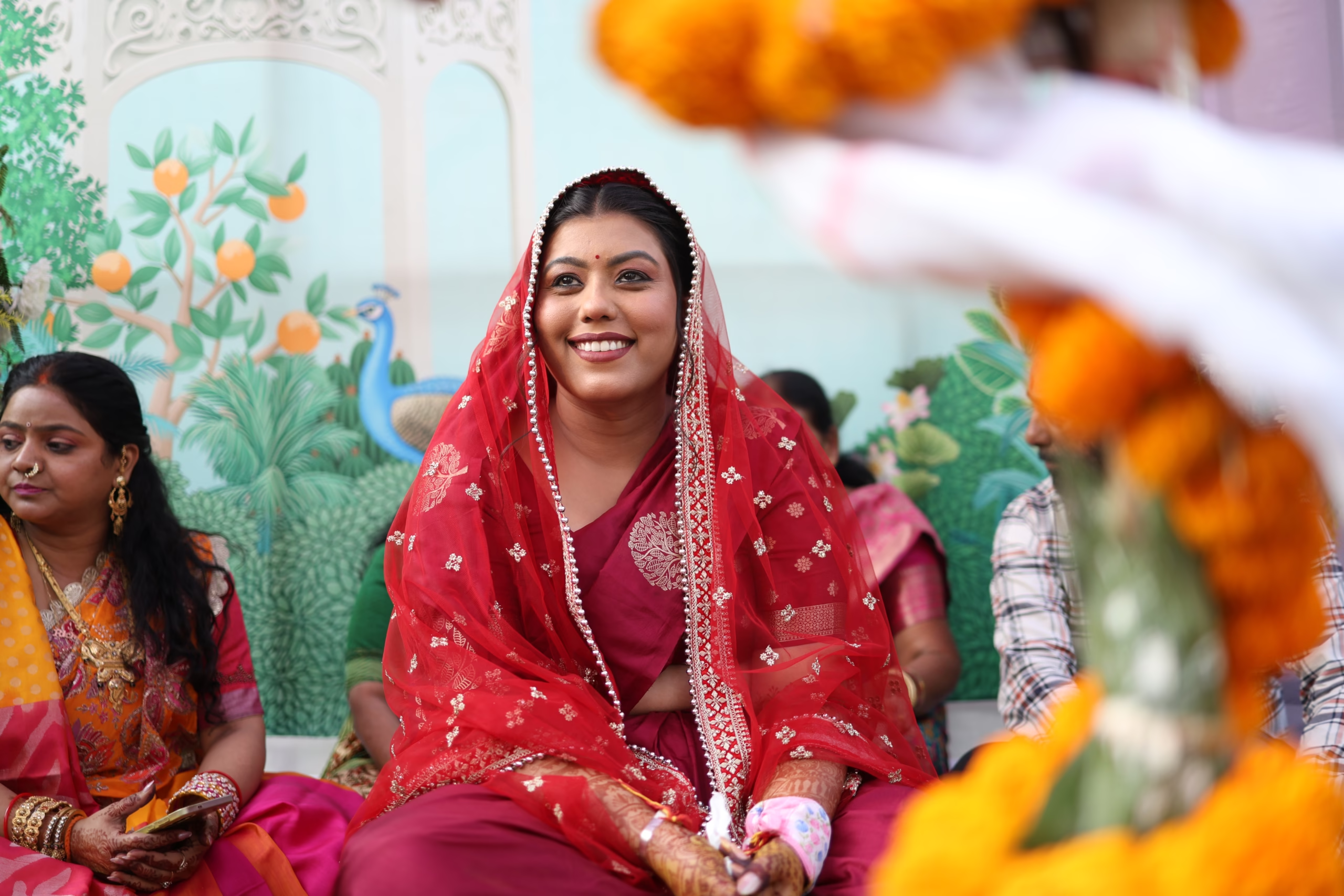
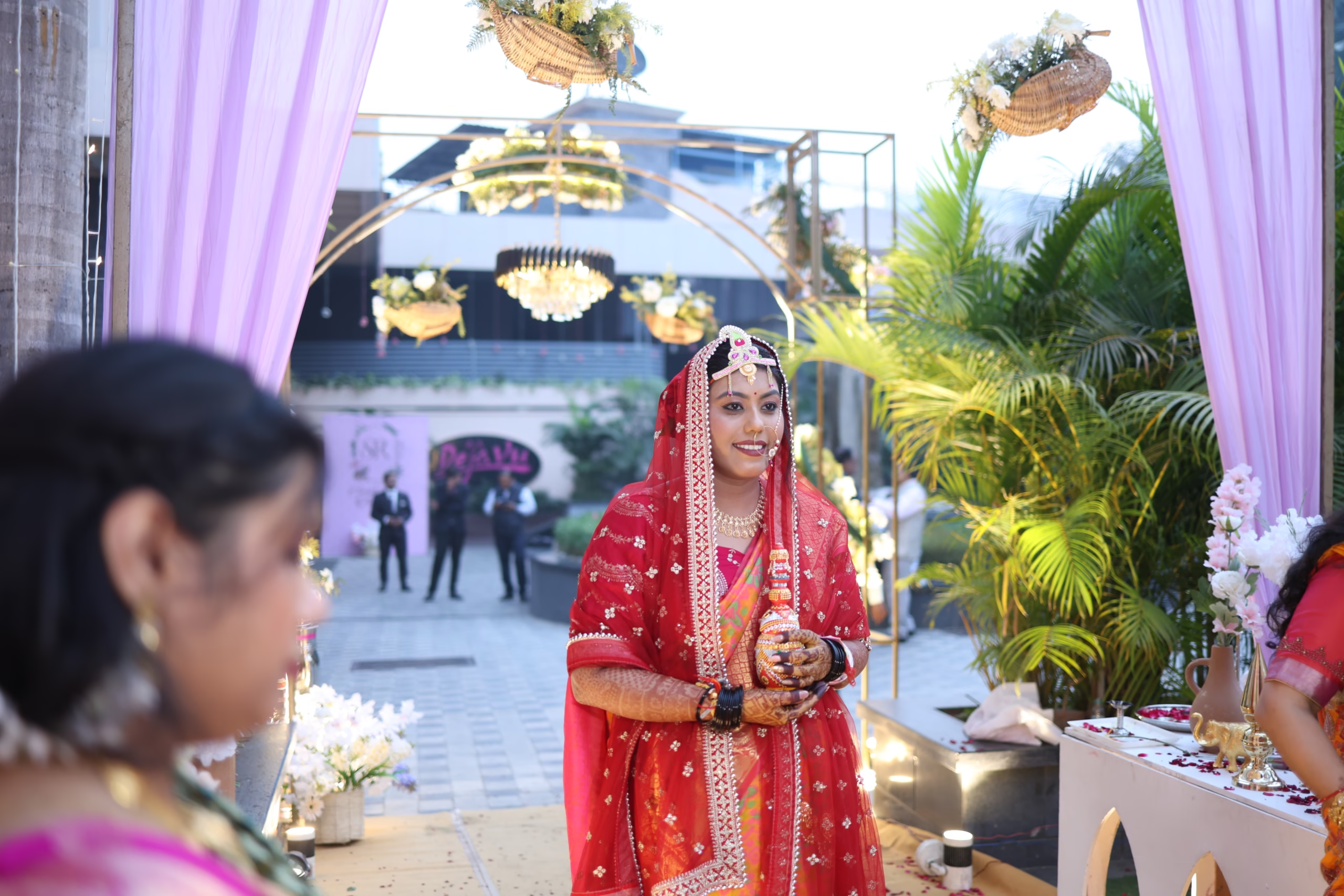
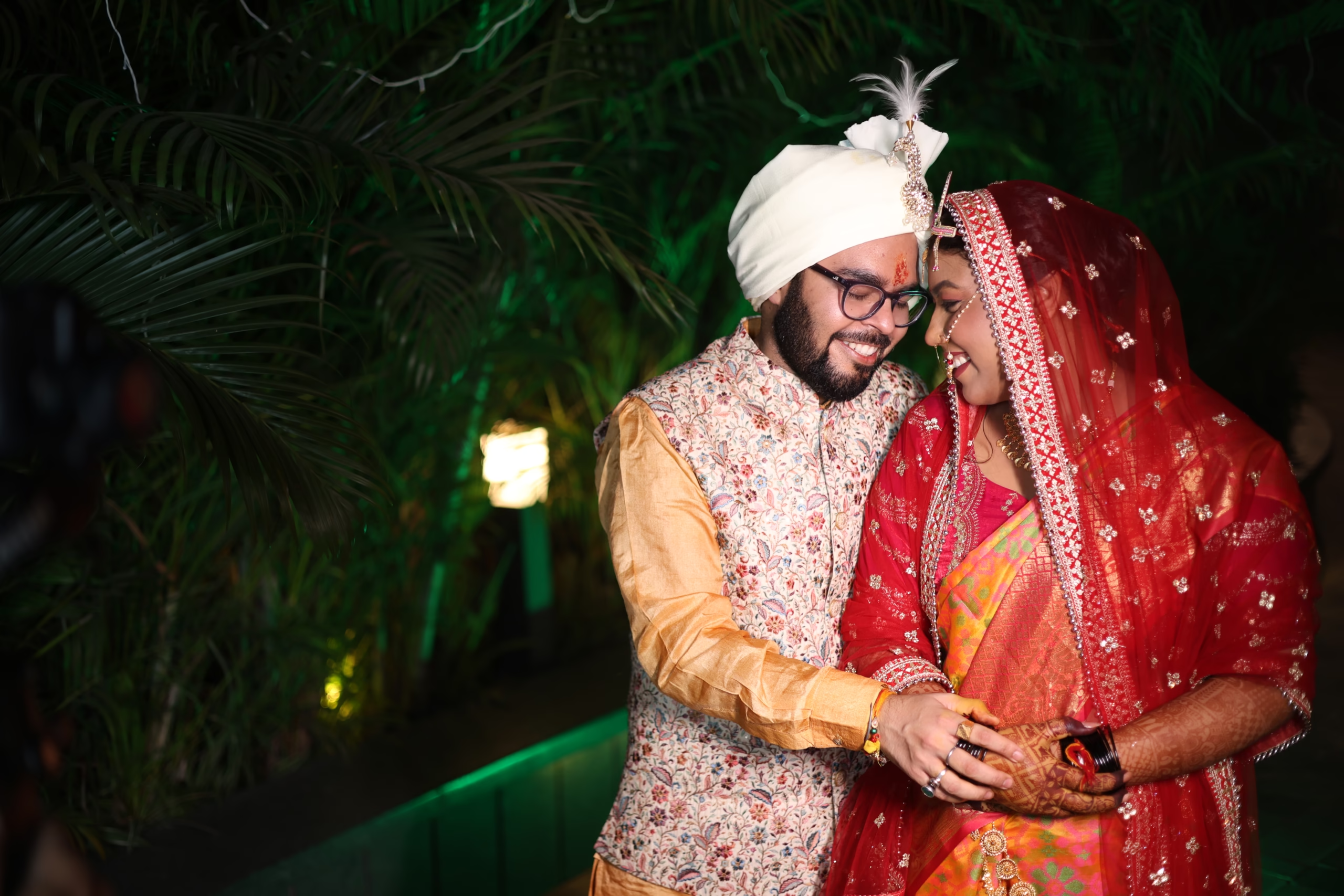
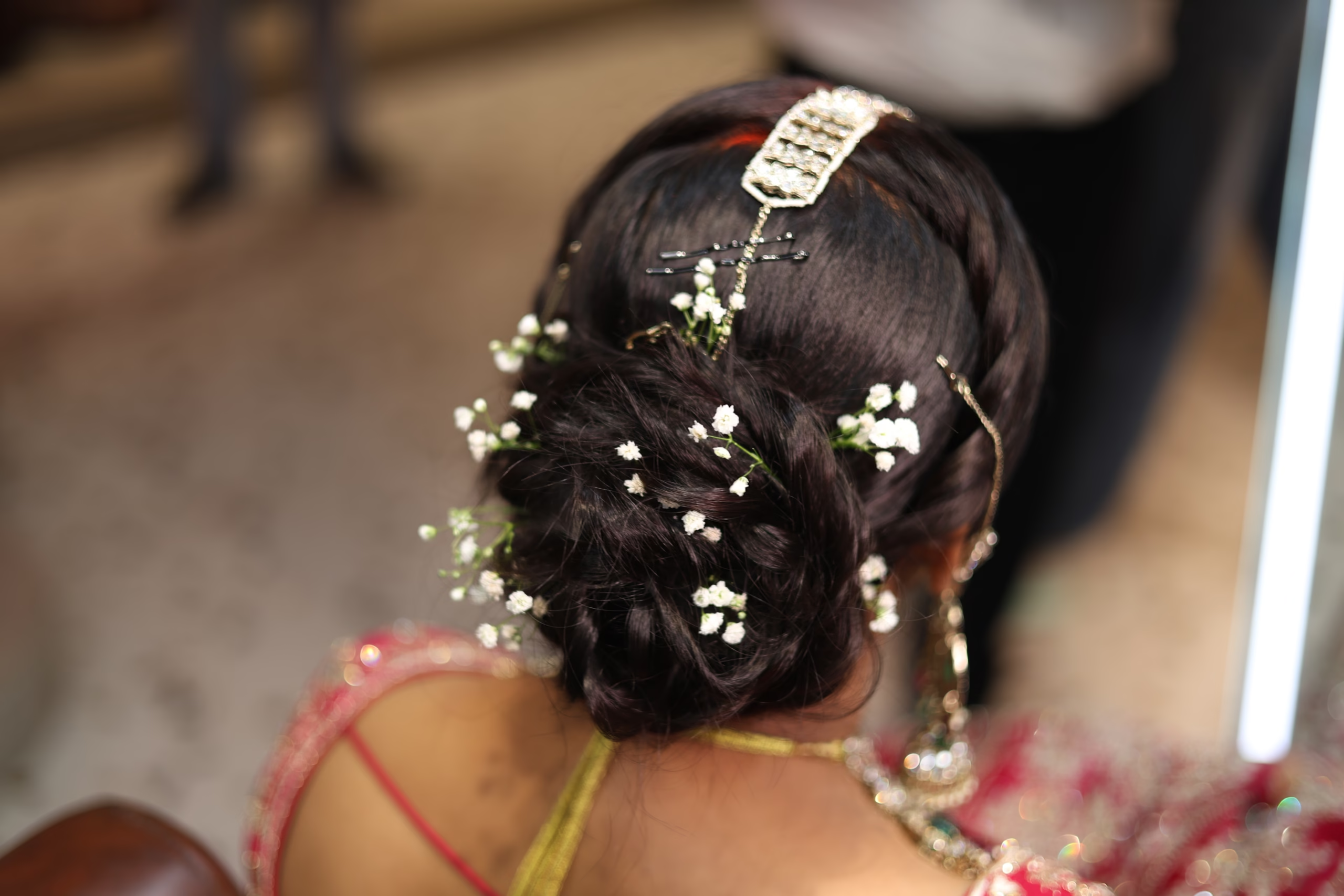
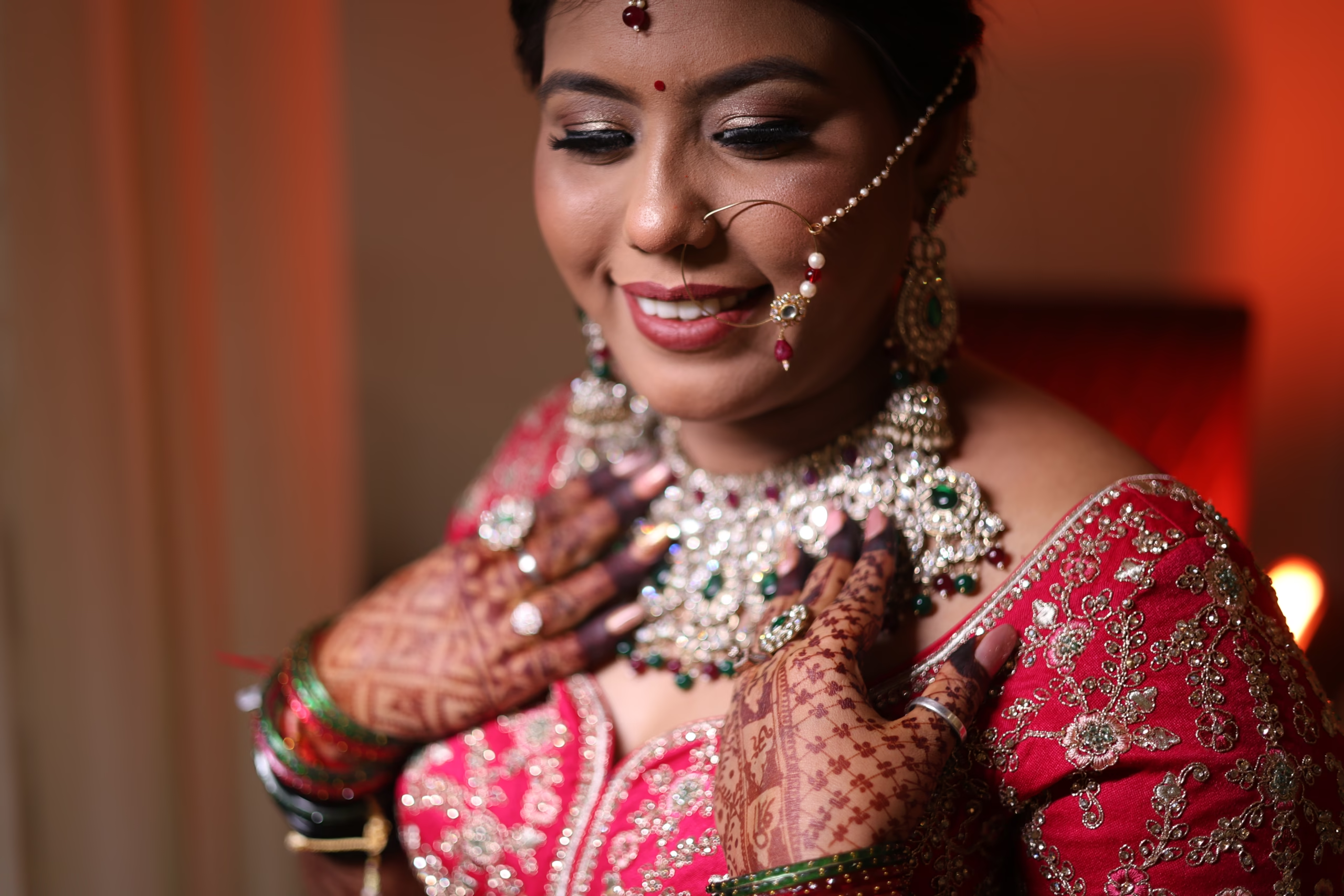
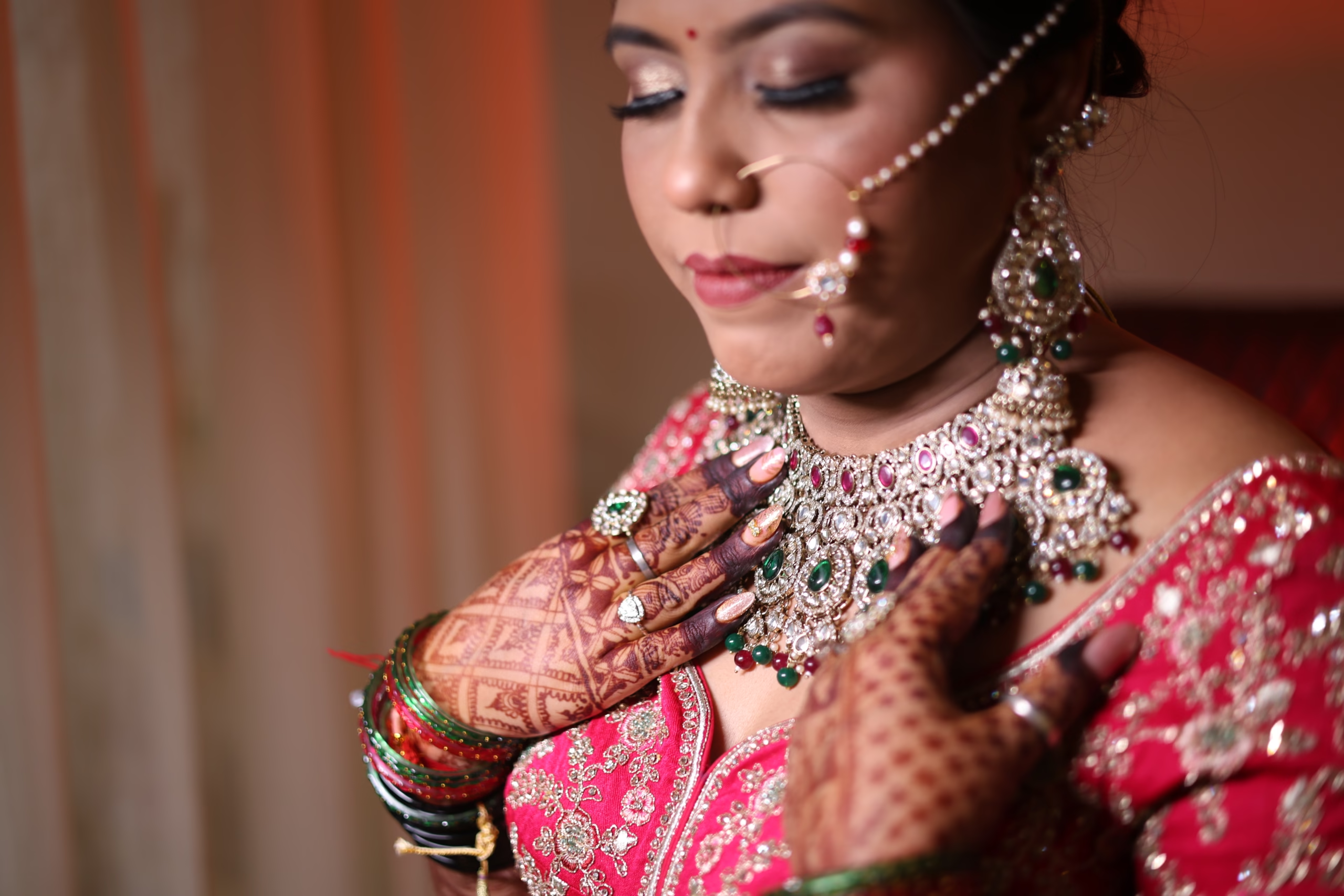
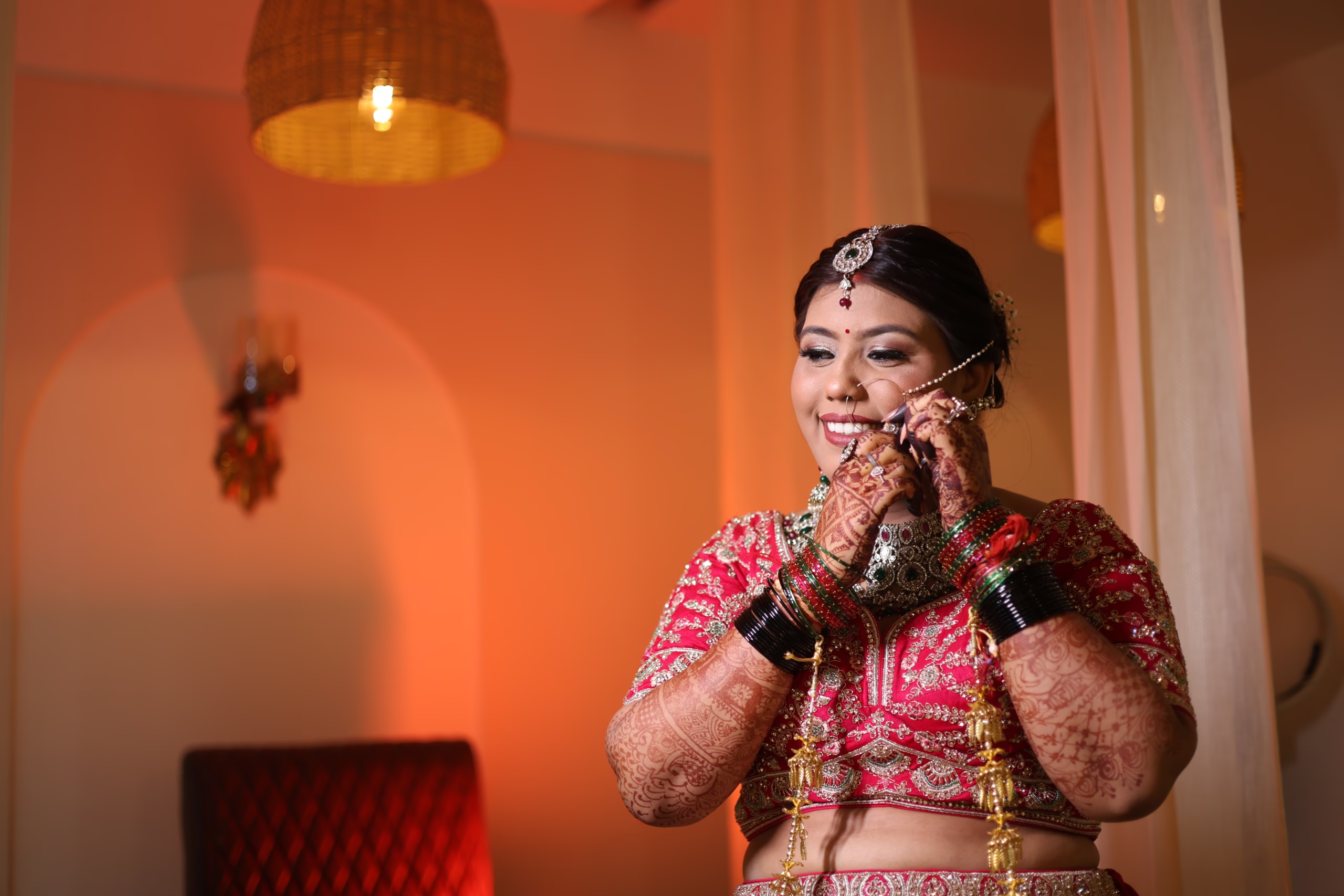
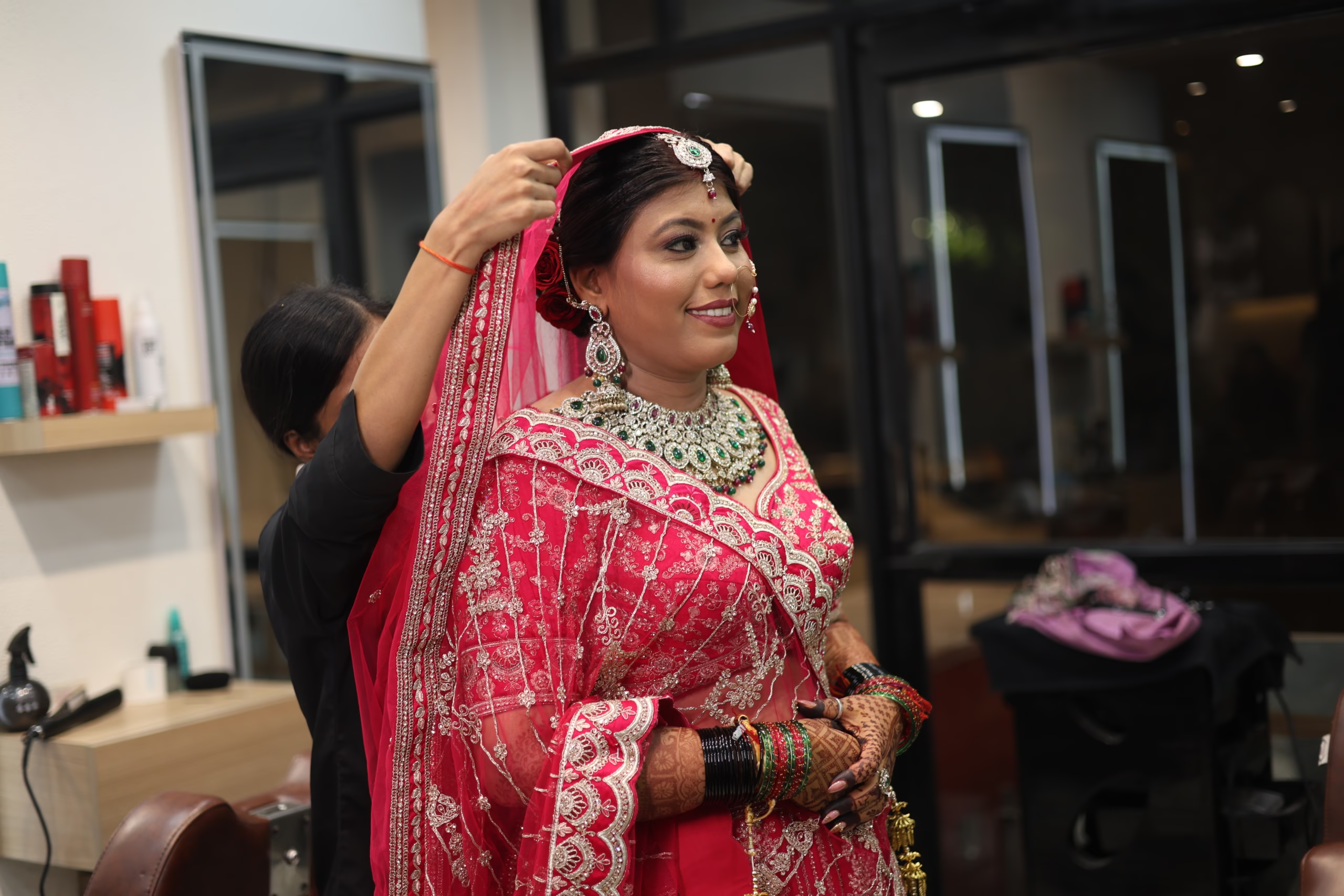
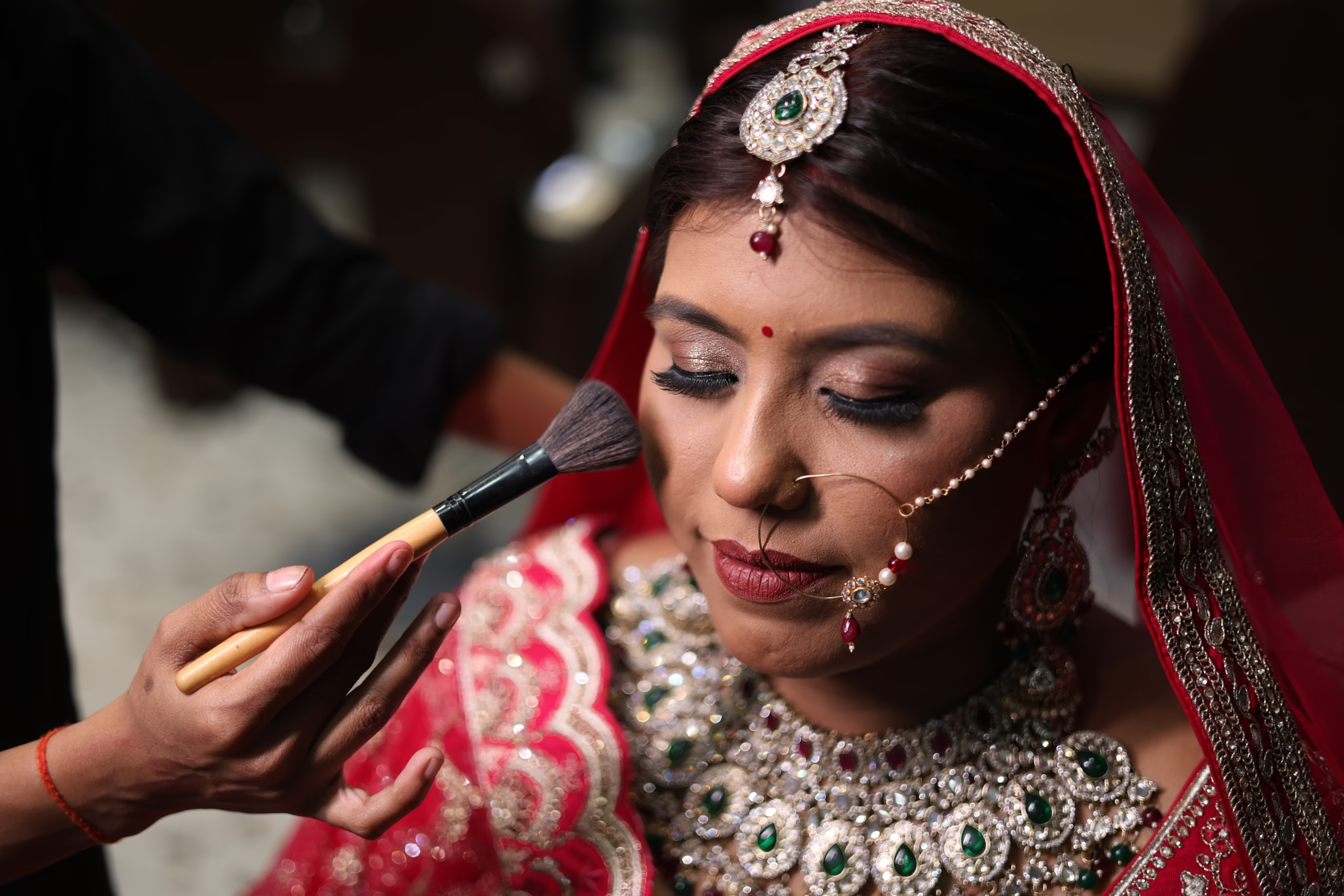
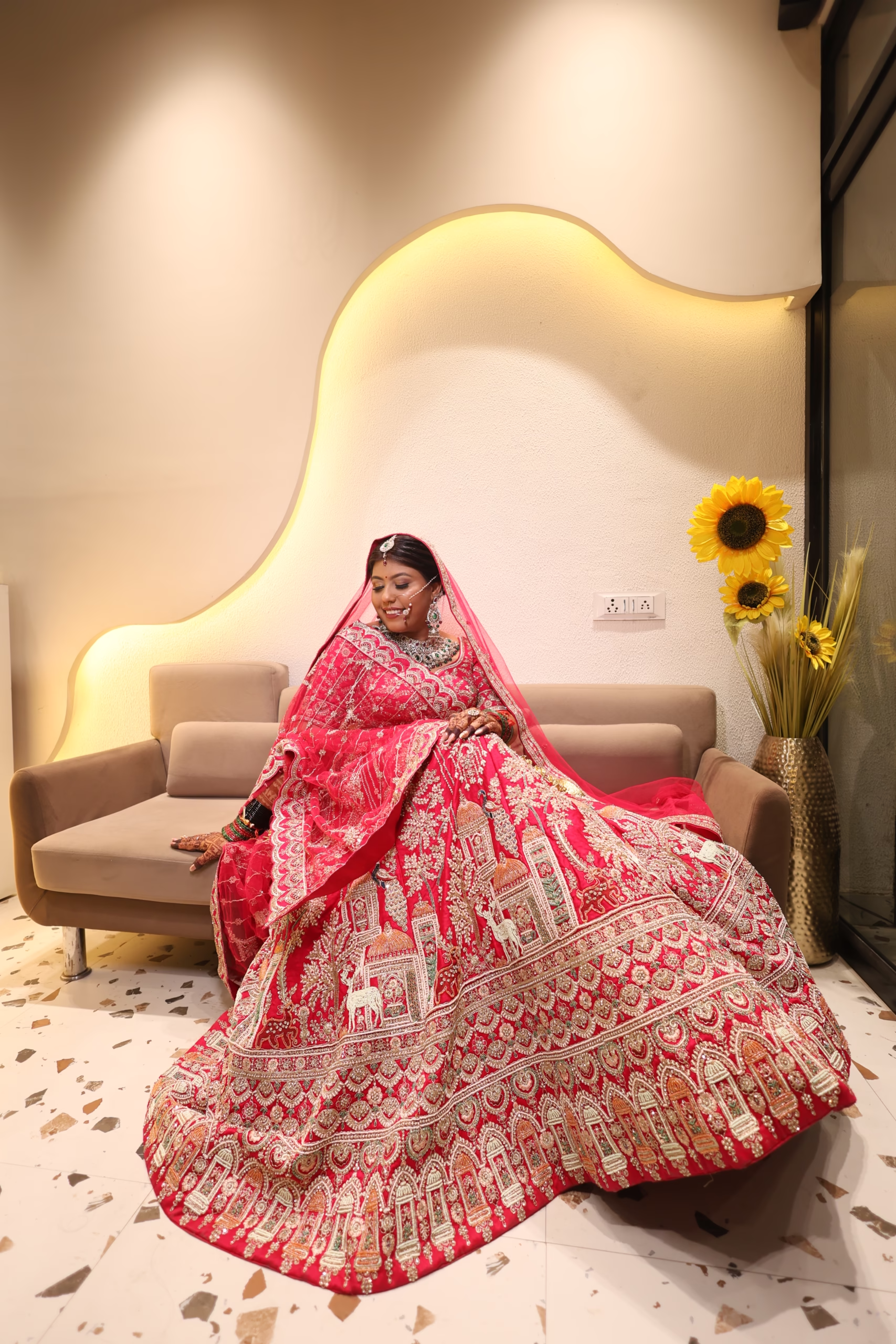
Before the reception, we had a bridal parlour shoot, giving the photography team an opportunity to focus on Swati’s bridal portraits without the pressure of the main wedding ceremony happening around her.
A bridal portrait session is most effective when it does not feel rushed.
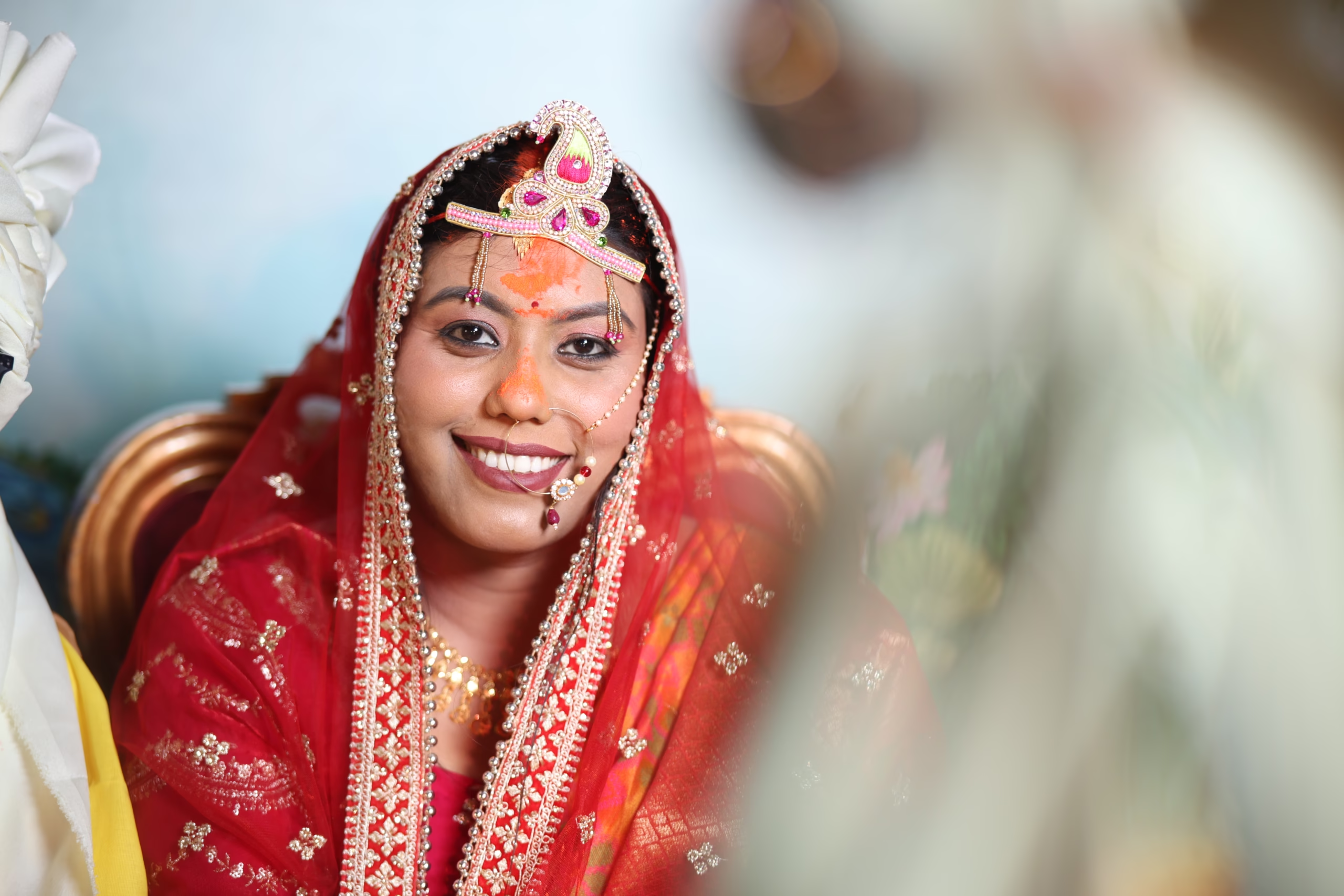
Hair, makeup, jewellery, attire and the bride’s expressions all contribute to the final image. The photographer also needs to work with the available space and lighting rather than simply relying on heavy posing or excessive editing.
The parlour shoot created a quieter visual chapter within an otherwise busy three-day celebration.
It also provided photographs that could stand independently in the wedding album—clean bridal portraits alongside the more spontaneous images from the ceremonies and reception.
The Baraat: Energy Before the Reception
Following the bridal preparations came the baraat.
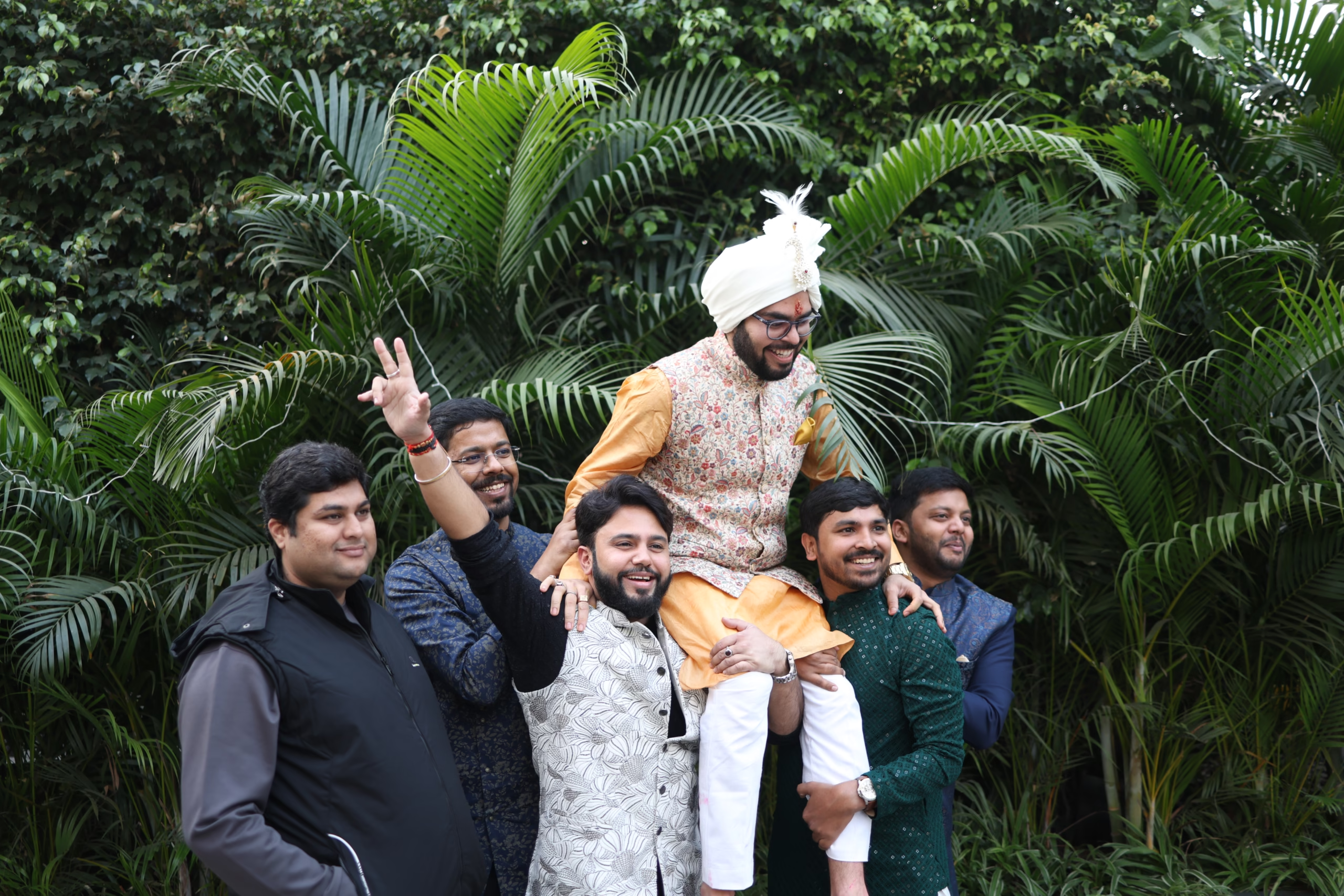
Baraat photography is one of those situations where candid photography becomes particularly valuable. There is movement everywhere—family members, friends, music, dancing and the groom’s arrival.
A photographer cannot predict every expression or interaction.
Instead, the job is to remain alert and anticipate moments before they happen.
For Rishabh, the baraat was another important part of the celebration, particularly because his family had travelled from Kanpur for the wedding while he himself was living and working in Germany.
The photographs from this part of the day help connect the formal wedding story with the atmosphere surrounding it.
A Grand Evening Reception at Bareilly Club
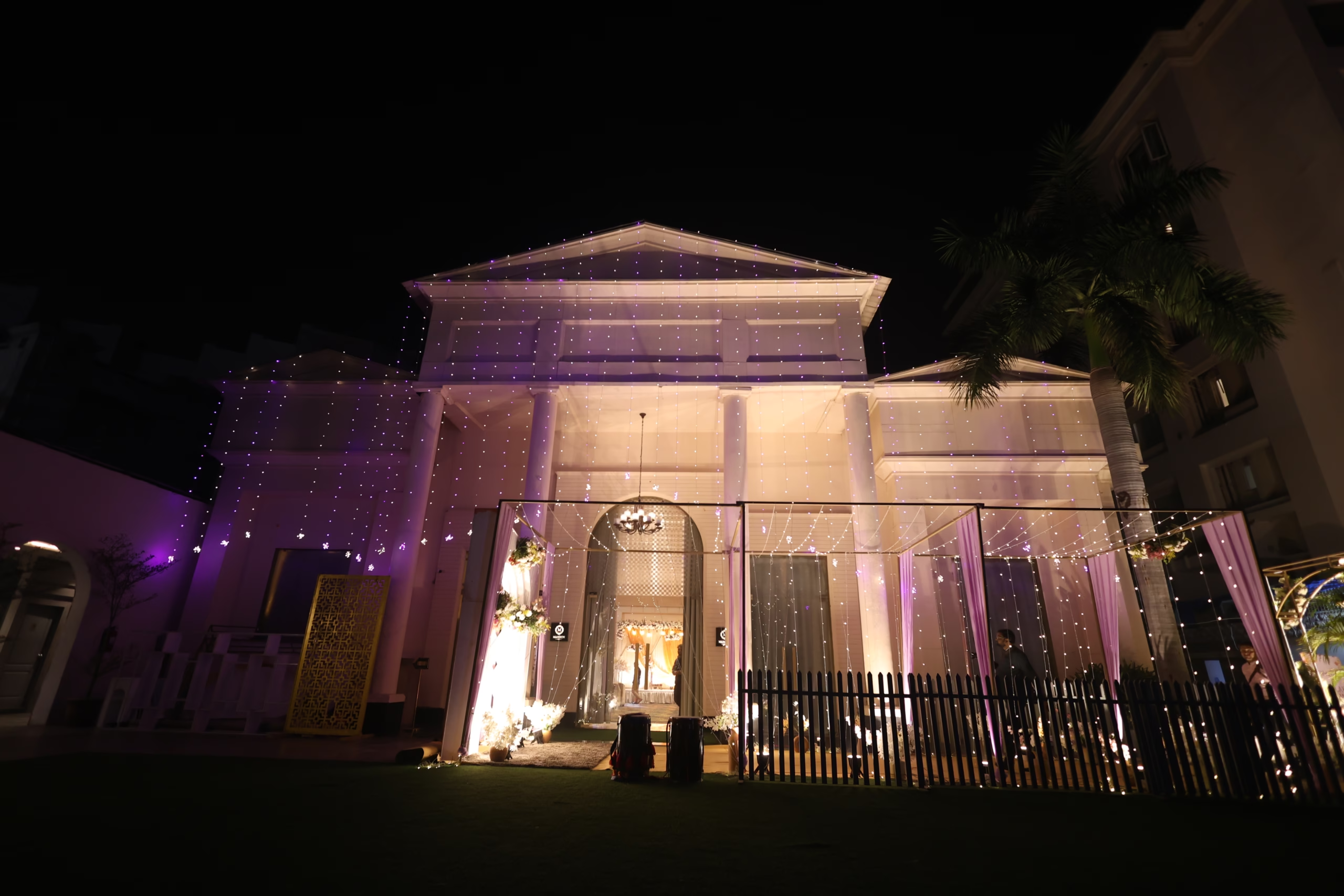
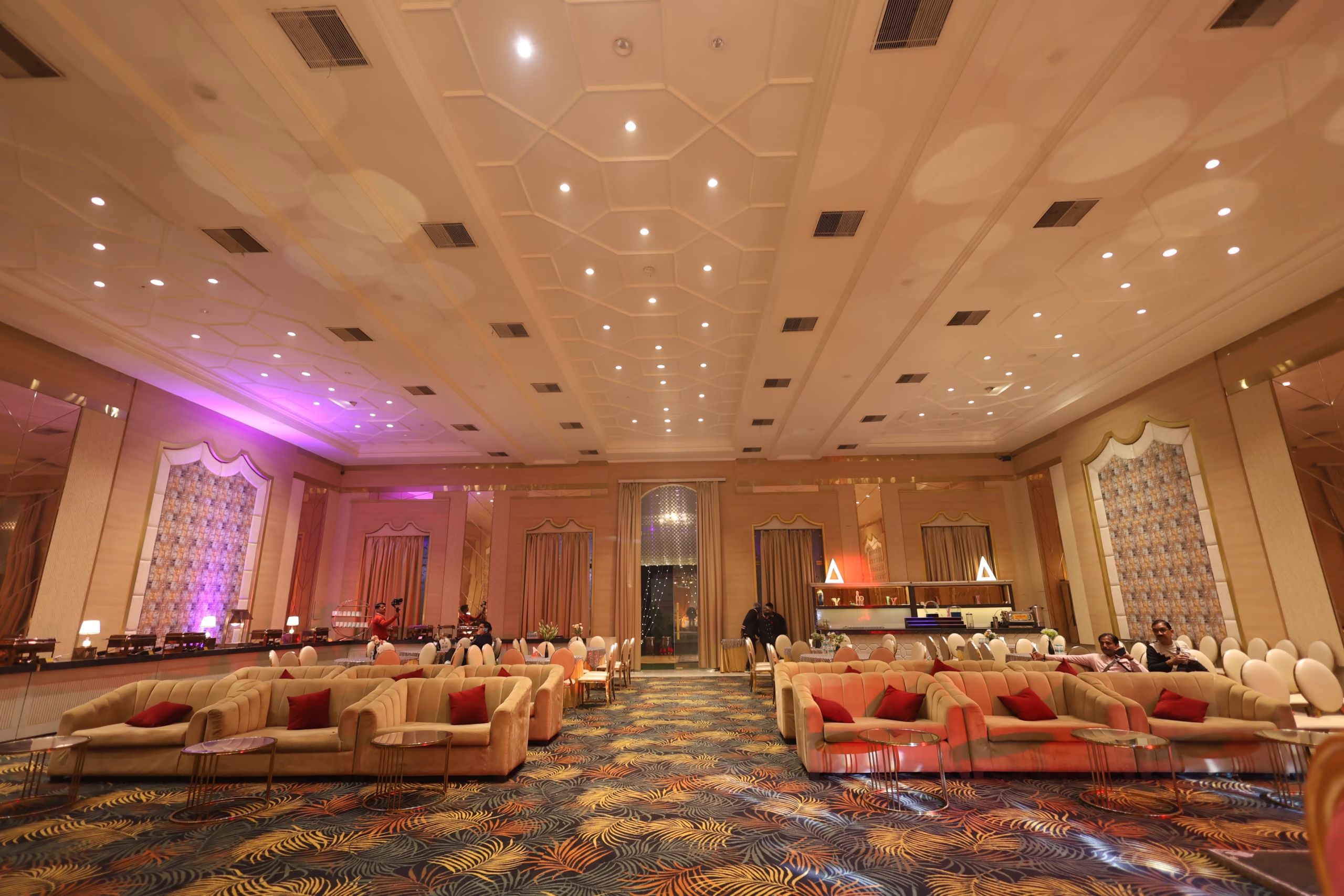
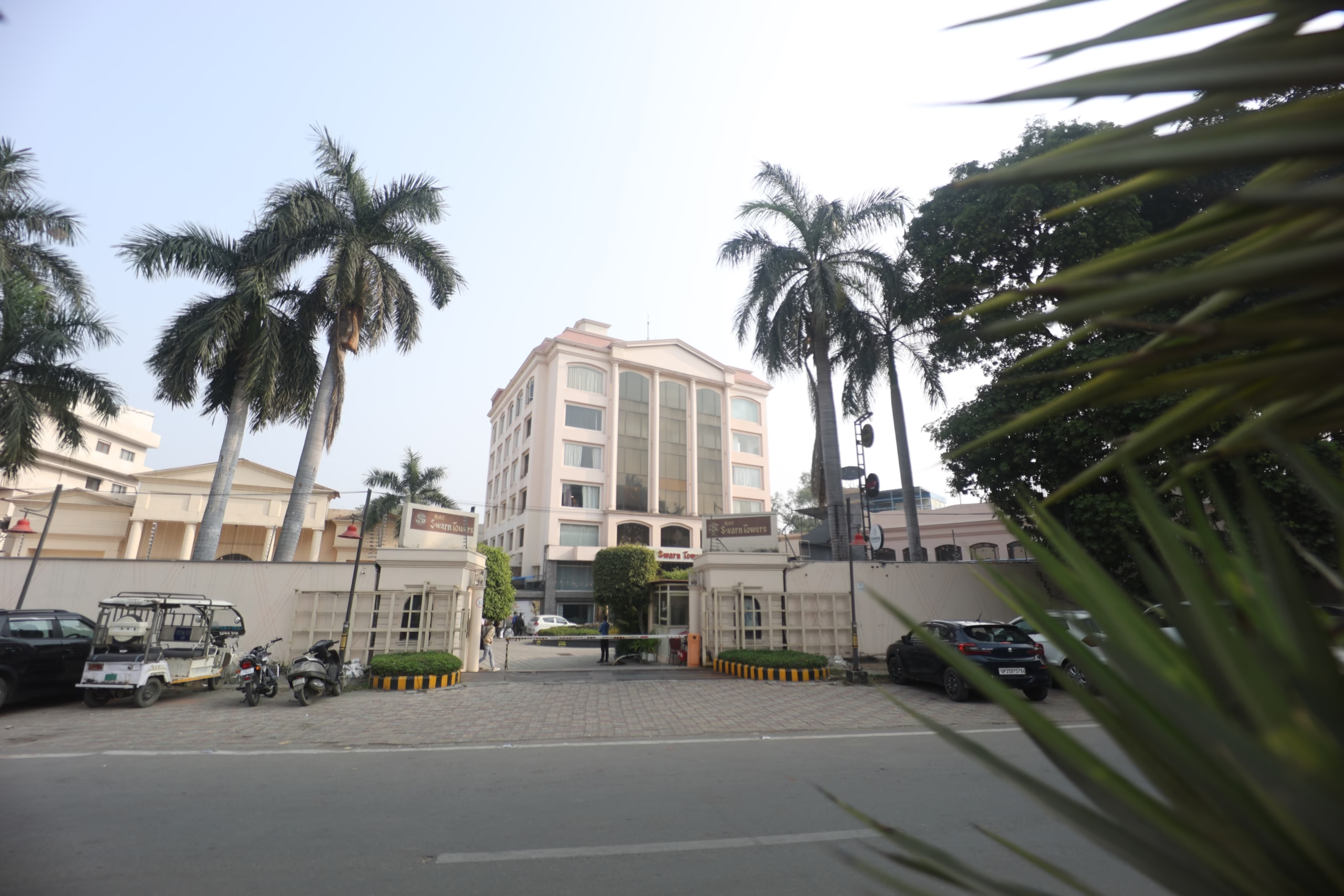
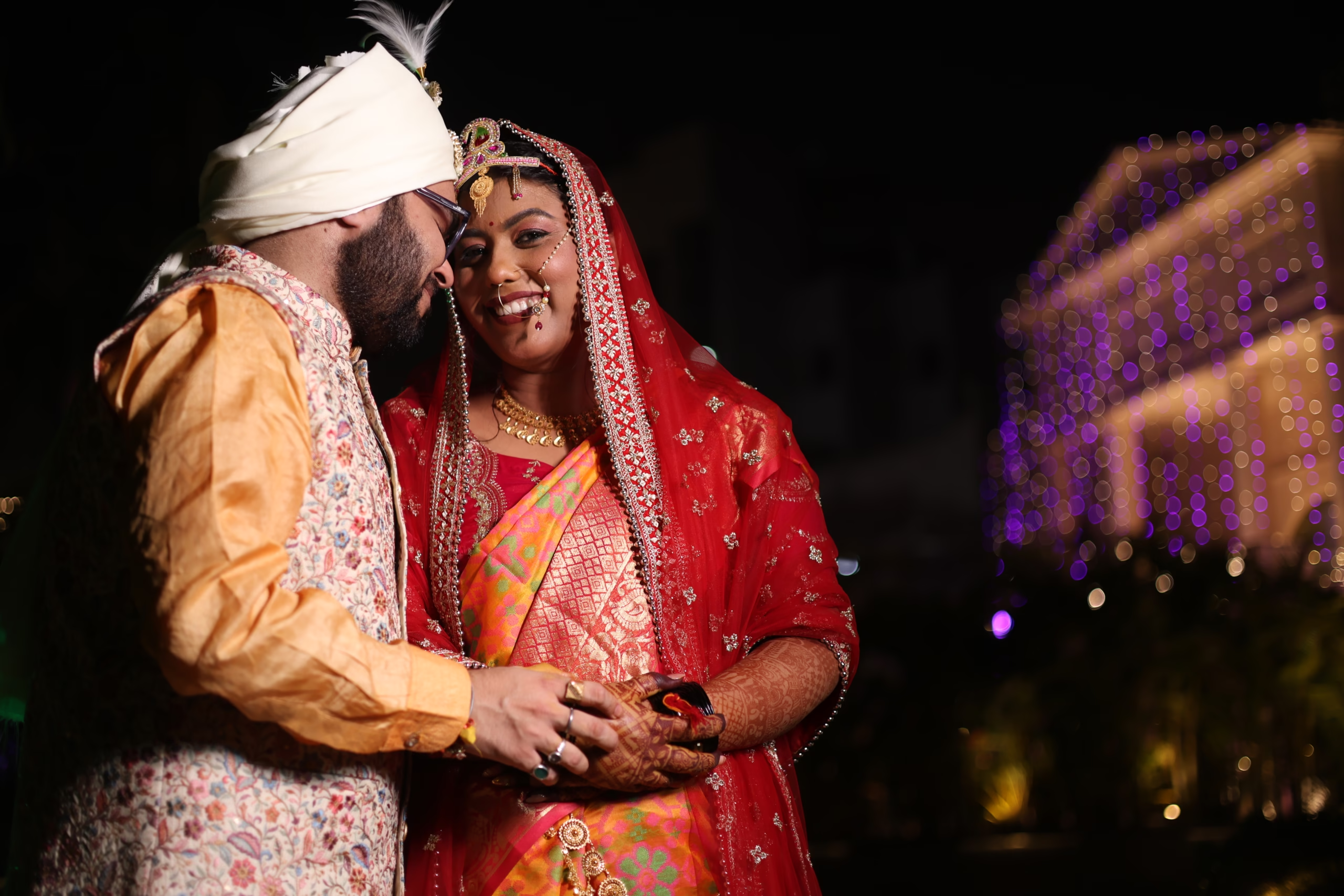
The three-day celebration concluded with a grand evening reception at Bareilly Club.
By this point, the wedding had moved through its ceremonies, preparations and wedding-day rituals. The reception provided a different setting—more relaxed in some ways, but equally important from a photography perspective.
Reception photography needs a balance between formal portraits and spontaneous interactions.
Guests often want photographs with the couple, making organised family portraits essential. At the same time, some of the most interesting photographs happen when people are not aware that they are being photographed.
This combination is what makes a complete wedding gallery feel like a story rather than a collection of unrelated pictures.
Why Multi-Day Weddings Need More Than Traditional Coverage
A three-day wedding such as Rishabh and Swati’s demonstrates why wedding photography should be planned around the entire celebration, rather than only the main ceremony.
The tilak had a different atmosphere from the wedding. The wedding itself moved from morning into evening. The bridal parlour shoot required a more controlled approach. The baraat brought movement and energy, while the reception called for a mixture of portraits and candid guest photographs.
Each part required a different photographic approach.
For couples planning a wedding in Bareilly, Kanpur, Lucknow or other cities in Uttar Pradesh, this is worth discussing with the photographer before booking. Ask how the team plans to cover multiple functions, how family portraits will be organised, how candid moments will be captured and how the photographs from different days will eventually work together as one story.
You can explore Studio Rollii’s wedding photography work to understand how a complete wedding story can be approached across different functions.
Candid Wedding Photography That Preserves the In-Between Moments
The big moments are relatively easy to identify.
The exchange of rings, wedding rituals, the baraat and the reception are all obvious photographic milestones.
The less obvious moments are often harder to capture—and sometimes more valuable years later.
A father watching his child during a ceremony. Relatives meeting after travelling from another city. Friends enjoying the baraat. A bride preparing quietly before joining the celebrations.
These moments happen without a schedule.
That is why candid wedding photography should not be treated simply as a fashionable alternative to traditional wedding photography. It serves a different purpose.
Traditional photographs provide the important record of who was present and what happened. Candid photographs add atmosphere, relationships and emotion to that record.
A strong wedding album needs both.
Choosing a Wedding Photographer for a Wedding in Bareilly
Couples planning weddings in Bareilly often have family connections across Uttar Pradesh and beyond. When the groom or bride is living outside the city—or even outside India—the wedding schedule can become more complex.
Before selecting a photographer, it is useful to discuss the complete event calendar rather than only the wedding date.
Share the tilak, wedding, reception, bridal preparation, baraat and any other functions that matter to your families. This allows the photographer to understand where coverage is actually needed and how the different parts of the wedding should connect visually.
It is equally important to look beyond a photographer’s portfolio of individual photographs.
Ask to see complete wedding stories.
A single impressive portrait can demonstrate lighting or editing ability, but a complete wedding gallery tells you much more about how the photographer handles family photographs, rituals, crowded functions, candid moments, changing light and the quieter parts of the day.
Rishabh & Swati’s Wedding Story
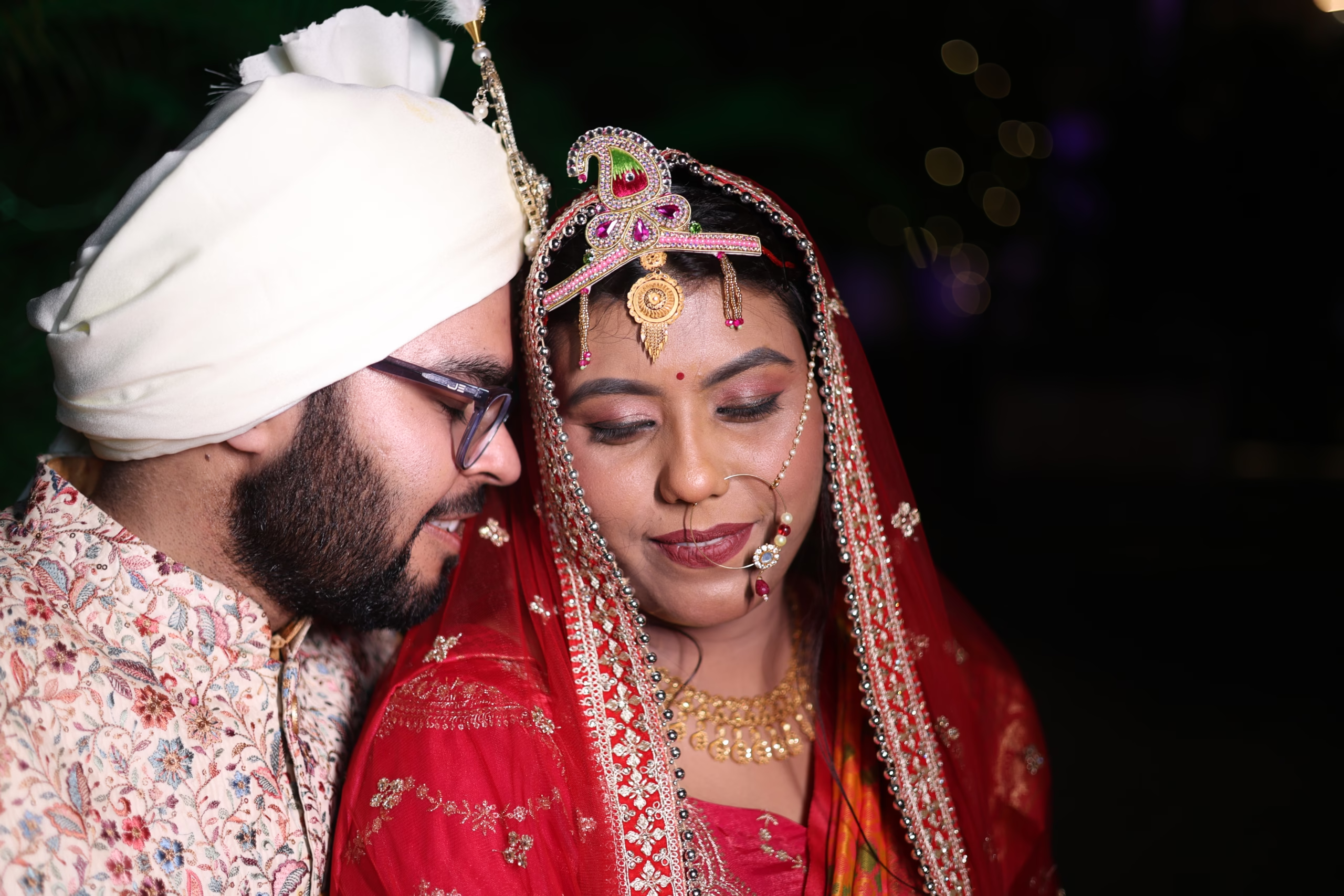
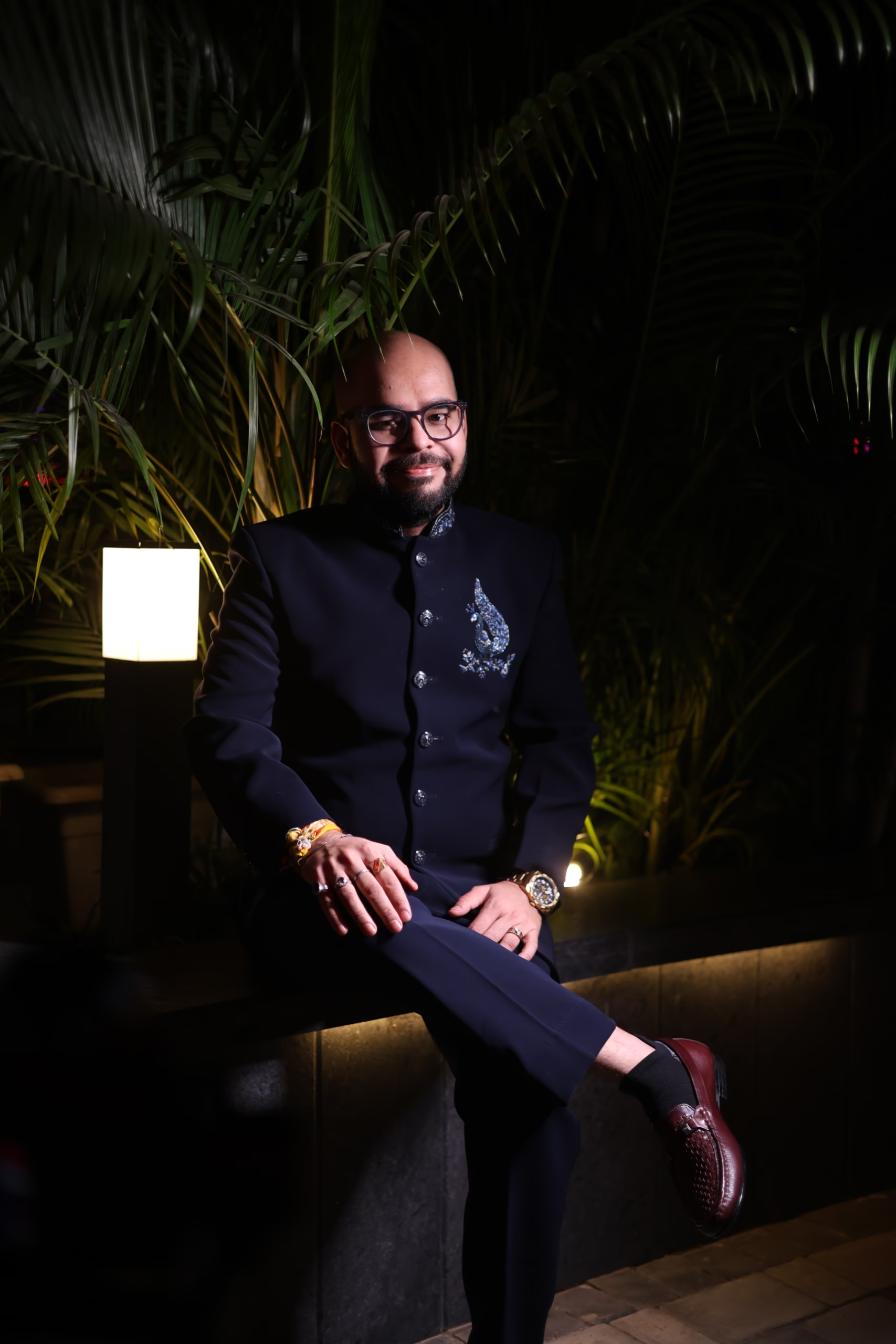
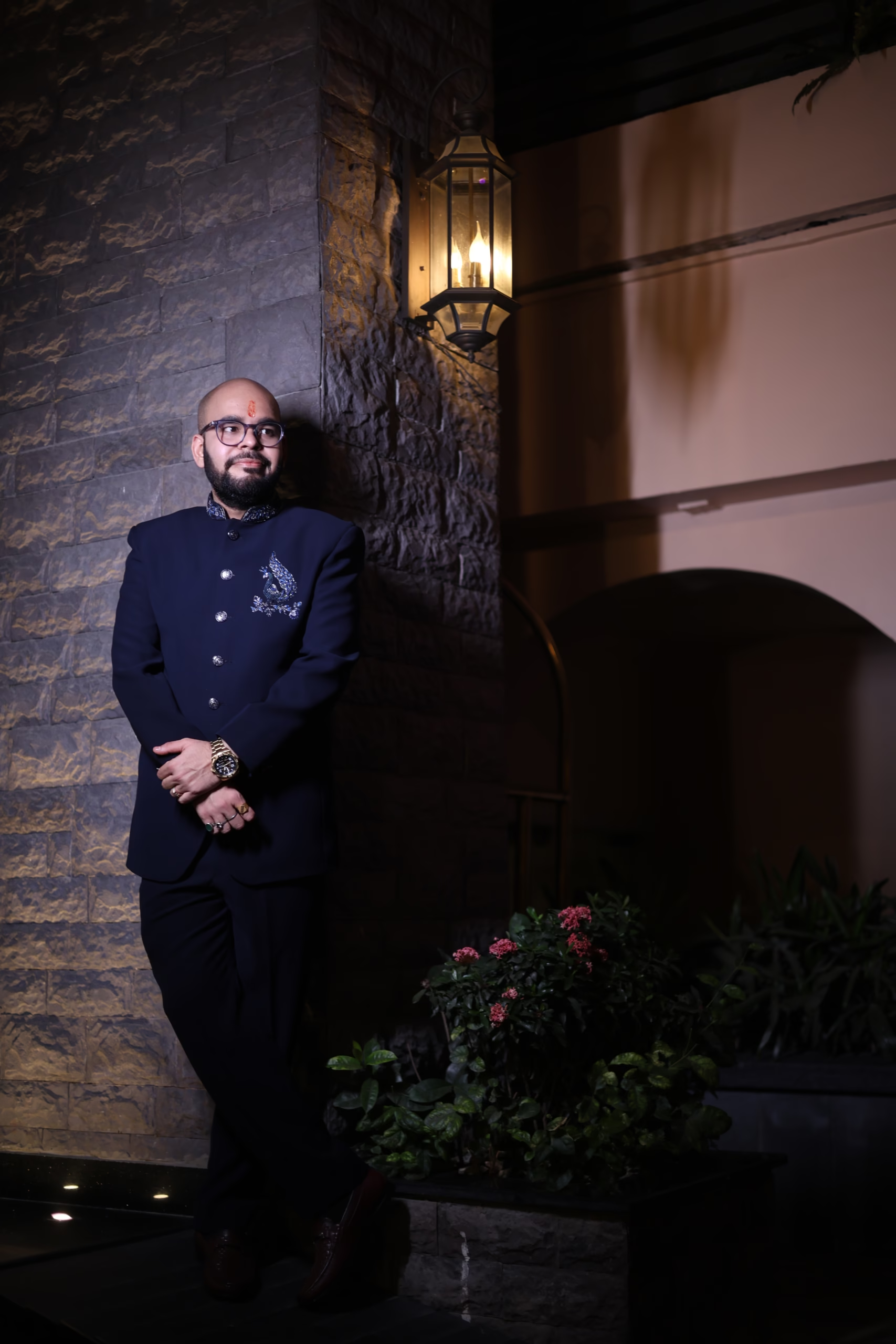
Rishabh and Swati’s three-day celebration brought together two families connected to different cities and, in Rishabh’s case, different countries.
From Rishabh’s tilak on the first day to the morning-to-evening wedding on the second day, followed by Swati’s bridal parlour shoot, the baraat and the grand reception at Bareilly Club on the third evening, each part of the celebration added something different to their wedding story.
For a wedding photographer, that is what makes multi-day celebrations meaningful to document.
The photographs are not only about what happened on the wedding day. They preserve the people who travelled, the family relationships, the preparations, the rituals and the moments that happened between them.
That is the approach Studio Rollii brings to wedding photography: documenting the important ceremonies while paying attention to the candid moments that make each family’s celebration different.
you can check other Real Event Shot by us:
Garima With Rishabh
You Can check our blog on:
The Wedding Photography Mistakes Couples Regret Most — And How to Avoid Them
2 Comments
[…] Rishabh Weds Swati […]
[…] Rishabh & Swati: A Three-Day Arranged Wedding Celebration in Bareilly […]