
Choosing a wedding photographer involves more than simply selecting someone with a good camera. One of the most common questions couples ask while planning their wedding is:
“What is the difference between candid photography and traditional photography?”
Both styles play an important role in documenting a wedding. Traditional photography helps preserve important rituals, formal portraits and family groups, while candid photography focuses on natural emotions, spontaneous interactions and real moments as they unfold.
For most modern Indian weddings, the best wedding photography experience is often a thoughtful combination of candid photography, traditional photography and cinematic wedding coverage.
At Studio Rollii, Kanpur, we help couples and families understand the difference between these photography styles so they can choose wedding coverage that matches their personality, traditions and expectations.
What Is Candid Photography?
Candid photography is a style of photography in which natural moments and genuine emotions are captured without asking people to constantly pose for the camera.
Instead of saying, “Please look at the camera and smile,” a candid wedding photographer observes what is happening and photographs the moment naturally.
During a wedding, candid photography may capture:
The bride smiling during a conversation with her friends
Parents becoming emotional during an important ceremony
A groom laughing with his friends
A spontaneous reaction during the varmala
Children enjoying themselves during the wedding
Emotional moments between family members
Natural expressions during rituals
Small details and interactions that might otherwise go unnoticed
The objective is to create photographs that feel real, emotional and timeless.
A candid photograph should make you remember not only what happened during your wedding but also how that particular moment felt.
Key Characteristics of Candid Photography
Candid wedding photography usually focuses on:
Natural expressions
Real emotions
Spontaneous moments
Storytelling
Creative composition
Available or carefully controlled lighting
Artistic use of backgrounds and foregrounds
Minimal interruption of genuine moments
A professional candid photographer needs strong observation skills, anticipation, timing and an understanding of human emotions.
What Is Traditional Photography?
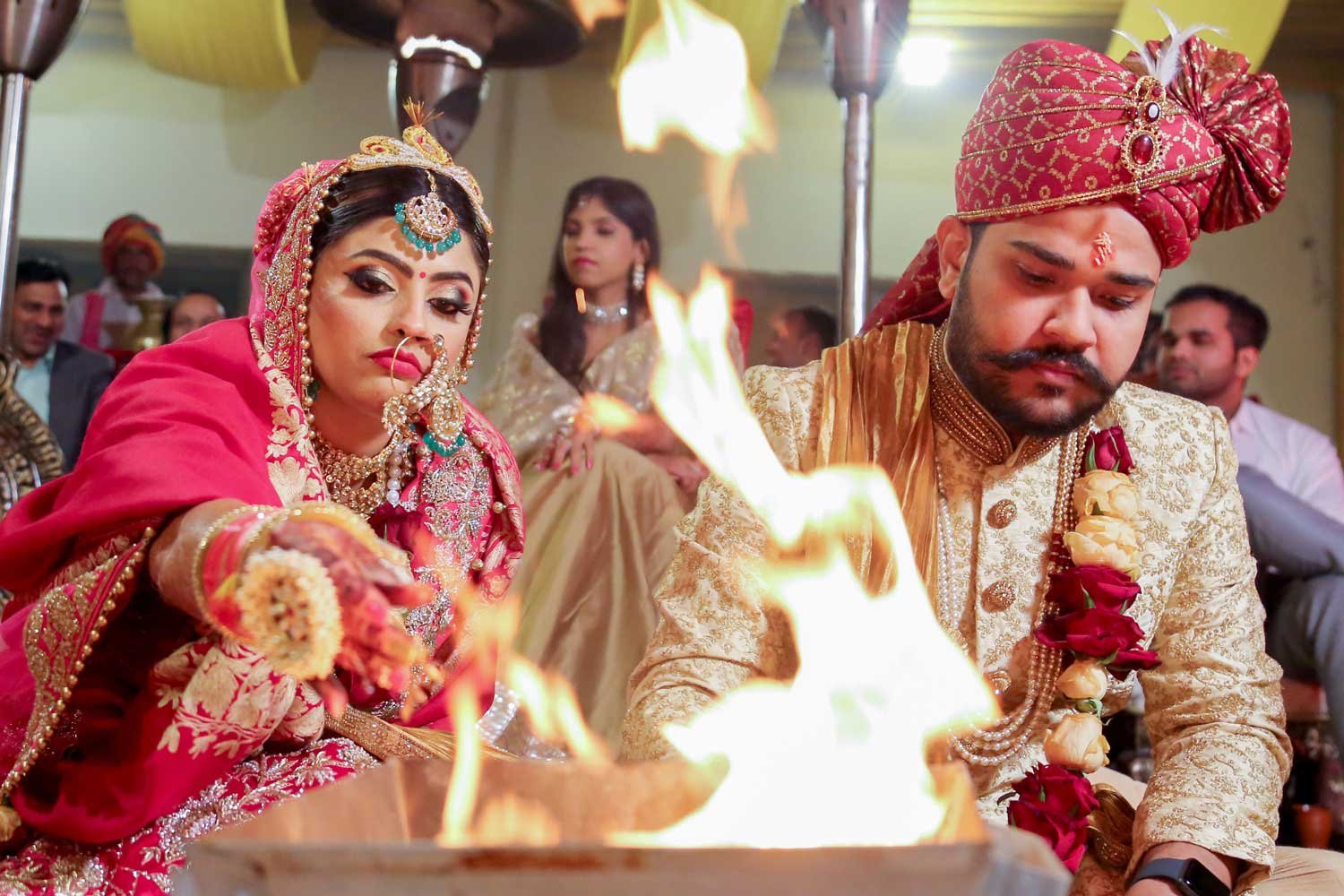
Traditional photography is a more formal and structured style of wedding photography in which the photographer directs people to pose and records important events systematically.
This is the photography style that many Indian families have trusted for decades.
Traditional wedding photography ensures that important people, rituals and family relationships are properly documented.
For example, a traditional photographer may ask:
“Please stand together for a family photograph.”
“Bride and groom, please look towards the camera.”
“Parents, please join the couple.”
“Let’s take a photograph with all siblings.”
“Please hold the pose for the ritual photograph.”
Traditional photography is particularly valuable because weddings involve many important rituals and family members. A spontaneous approach alone may not guarantee that every important person or group is photographed.
Key Characteristics of Traditional Photography
Traditional wedding photography generally focuses on:
Posed portraits
Family group photographs
Important rituals
Formal documentation
Clear facial expressions
Looking towards the camera
Systematic event coverage
It provides a structured visual record of the wedding day.
The Main Difference Between Candid and Traditional Photography
The biggest difference is how the moment is captured.
| Candid Photography | Traditional Photography |
|---|---|
| Captures natural moments | Captures planned and posed moments |
| Minimal direction from photographer | Photographer actively directs subjects |
| Focuses strongly on emotions | Focuses strongly on documentation |
| Storytelling-oriented | Event and ritual-oriented |
| People may not look at the camera | Subjects usually look at the camera |
| Spontaneous and creative | Structured and systematic |
| Captures unexpected moments | Ensures important formal moments are recorded |
Neither style is inherently better than the other. They serve different purposes.
Candid photography captures the emotion of the wedding, while traditional photography ensures that the important people and moments are properly documented.
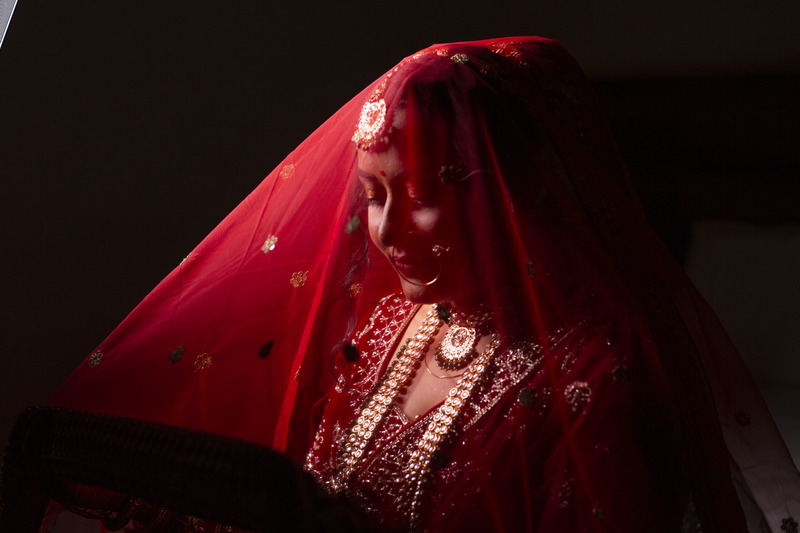
Candid Photography Tells the Emotional Story
A wedding is full of moments that happen naturally and only once.
A father’s emotional expression when he sees his daughter dressed as a bride, friends sharing an unexpected joke, grandparents watching a ceremony or a bride and groom exchanging a quiet glance are moments that cannot always be recreated.
This is where candid wedding photography becomes especially valuable.
A skilled candid photographer constantly observes the environment and anticipates important moments before they happen.
The goal is not simply to take attractive photographs. The goal is to document authentic human emotion.
Years later, these photographs often become especially meaningful because they preserve moments that the couple may not have even noticed during their busy wedding day.
Traditional Photography Preserves Important Family Memories
Traditional photography remains extremely important, especially in Indian weddings.
Wedding celebrations often bring together relatives and friends who may not meet again for years. A properly organised family portrait can become a valuable record of relationships across generations.
Imagine discovering after your wedding that you do not have a clear photograph with your grandparents, siblings or close relatives. Even the most beautiful candid wedding album cannot always replace that missing formal photograph.
Traditional photography helps ensure that important combinations are covered, such as:
Bride with parents
Groom with parents
Bride and groom with both families
Couple with grandparents
Couple with siblings
Couple with close friends
Extended family groups
Important guests and relatives
For this reason, traditional photography should not be considered outdated. When done professionally, it remains an essential part of complete wedding coverage.
Candid Photography vs Traditional Photography: Which Is Better?
The honest answer is:
For most weddings, a combination of both is better.
Candid and traditional photography are complementary styles.
A wedding album containing only posed photographs may feel organised but may miss spontaneous emotions. On the other hand, an album containing only candid photographs may be visually artistic but could miss important family portraits and ceremonial documentation.
A professional wedding photography team can combine both approaches.
Candid photographers can focus on:
Emotions
Reactions
Natural interactions
Creative portraits
Wedding storytelling
Behind-the-scenes moments
Traditional photographers can focus on:
Rituals
Family groups
Formal portraits
Important guests
Complete event documentation
Together, these approaches create a much more complete wedding story.
Difference in Photographer Approach
One of the biggest differences is the photographer’s working style.
During Candid Photography
The photographer usually observes from a distance or moves quietly around the venue.
They may wait for:
A smile
A glance
A reaction
A hug
An emotional moment
An unexpected interaction
The photographer tries to anticipate the moment rather than stop it.
During Traditional Photography
The photographer takes a more active role.
They may organise family members, suggest poses and make sure important combinations are photographed.
This approach is particularly useful during busy wedding functions when family members may otherwise become difficult to gather later.
Equipment and Technical Approach
Candid and traditional photographers may also use different technical approaches.
Candid wedding photographers often use professional cameras and lenses that allow them to photograph naturally from different distances while maintaining a documentary and artistic approach.
Traditional photographers may use equipment and lighting setups designed to produce consistently clear, properly exposed photographs of people, groups and ceremonies.
However, camera equipment alone does not define whether photography is candid or traditional.
The photographer’s approach, timing, direction and storytelling style are much more important.
A professional photographer can sometimes capture both candid and traditional photographs using the same camera system.
Is Candid Photography Always Unposed?
Not necessarily.
This is a common misconception.
Some photographs that look completely natural may involve small amounts of direction.
For example, a photographer may ask a couple to stand in a particular location because the light is beautiful, but then encourage them to interact naturally instead of holding a stiff pose.
This approach is often called guided candid photography or natural portrait photography.
The difference is that the photographer creates a comfortable situation and allows genuine expressions to develop rather than asking the couple to maintain artificial expressions.
Which Style Is Better for Indian Weddings?
Indian weddings are diverse, emotional and filled with multiple ceremonies. They can include events such as:
Engagement ceremonies
Haldi
Mehendi
Sangeet
Cocktail functions
Wedding ceremonies
Varmala
Pheras
Vidaai
Wedding receptions
Because each event has both emotional and ceremonial importance, a hybrid photography approach usually works best.
For example:
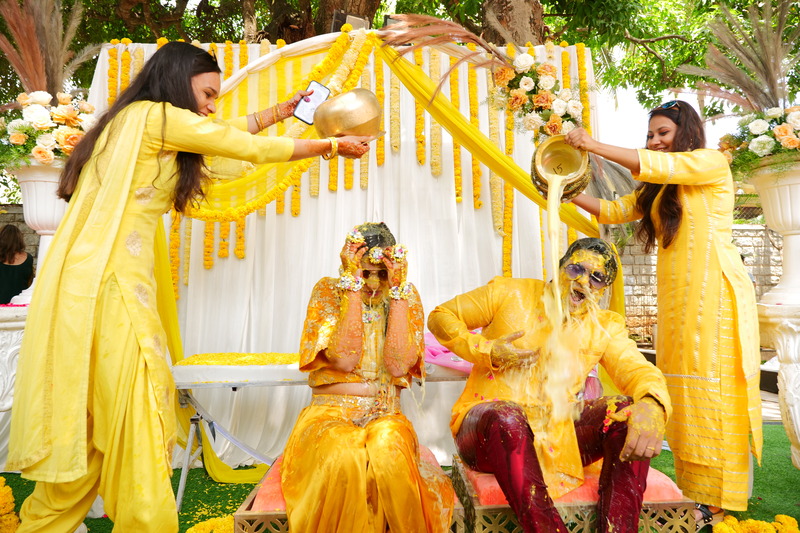
During the Haldi, candid photography can capture laughter, reactions and colourful spontaneous moments.
During the Mehendi, photographers can document natural interactions as well as portraits of the bride and family.
During the Varmala, traditional coverage ensures the key ceremony is properly recorded while candid photographers capture reactions around the stage.
During the Vidaai, candid photography becomes especially important for preserving genuine emotions.
During formal family time, traditional photography ensures important relationships are documented.
This combination provides both artistic storytelling and complete documentation.
Candid Photography vs Traditional Photography for Couple Portraits
Couple portraits can also use either approach.
Traditional Couple Portraits
These usually involve more direct posing.
The photographer guides the couple regarding:
Where to stand
Where to look
Hand positions
Body posture
Facial direction
This can create elegant and classic wedding portraits.
Candid Couple Portraits
These focus more on interaction.
The photographer may encourage the couple to:
Walk together
Talk to each other
Laugh naturally
Look at one another
Share a private moment
The objective is to create photographs that feel personal rather than heavily posed.
Many premium wedding albums include both styles.
Why Experience Matters More Than Simply Choosing a Style
Photography style is important, but experience is equally important.
A professional wedding photographer must know how to work in fast-changing situations involving crowds, rituals, different lighting conditions and unpredictable emotional moments.
At a wedding, there is often no opportunity to repeat an important moment.
The bride may enter only once. The varmala happens once. A parent’s emotional reaction may last only a few seconds.
Experienced photographers understand how to anticipate these moments while coordinating with the rest of the photography team.
When choosing a wedding photographer, couples should therefore look beyond labels such as candid photographer or traditional photographer and examine:
Previous wedding portfolios
Ability to capture genuine emotions
Experience with Indian wedding rituals
Quality of family portraits
Consistency across different lighting conditions
Team coordination
Editing style
Client reviews and testimonials
Choosing the Right Wedding Photography Package
Before booking a photographer, discuss exactly what type of coverage you want.
Ask questions such as:
How many candid photographers will cover the wedding?
This can affect how many simultaneous moments are captured.
Will there be a separate traditional photography team?
This helps ensure formal photographs and rituals receive proper attention.
How will family photographs be organised?
Planning this in advance can prevent important relatives from being missed.
Is cinematic videography included?
Many couples want photography and cinematic wedding films to work together as one visual story.
Will pre-wedding photography be included?
Pre-wedding shoots can provide an opportunity for couples to become comfortable with the photographer before the wedding.
How many wedding functions will be covered?
Different events may require different levels of photography coverage.
Clear communication before the wedding helps create better results.
Candid and Traditional Photography at Studio Rollii, Kanpur
At Studio Rollii, we understand that every wedding is different.
Some couples prefer a documentary-style wedding story filled with natural moments, while others place strong importance on formal family photographs and traditional coverage.
Our approach is to understand the expectations of the couple and their family and then plan appropriate coverage.
Our wedding photography services can include:
Candid wedding photography
Traditional wedding photography
Wedding cinematography
Cinematic wedding films
Pre-wedding photography
Couple portraits
Engagement photography
Haldi photography
Mehendi photography
Sangeet coverage
Destination wedding photography
Wedding albums and premium photo books
Based in Kanpur, Uttar Pradesh, Studio Rollii provides professional photography services for weddings and events in Kanpur and surrounding locations.
Whether your wedding is an intimate celebration or a large multi-day event, the objective remains the same: to preserve the important people, emotions, rituals and memories that make your celebration unique.
How to Get the Best Results From Both Photography Styles
Here are a few practical tips for couples and families.
1. Share Your Priorities Before the Wedding
Tell your photographer what matters most to you.
For example, you may particularly want photographs with grandparents, a specific ritual or candid photographs with close friends.
A clear briefing helps the photography team plan effectively.
2. Prepare a Family Photograph List
For traditional photography, prepare a list of important family combinations.
This can save significant time during the wedding.
3. Allow Time for Couple Portraits
A short, planned portrait session can help create better couple photographs without disrupting the wedding schedule.
4. Avoid Over-Directing Every Moment
Candid photography works best when people are comfortable and natural.
Allow photographers to observe genuine interactions.
5. Choose a Team That Can Work Together
The candid and traditional teams should coordinate rather than compete for the same space.
Good teamwork is especially important during fast-moving ceremonies.
Frequently Asked Questions About Candid and Traditional Photography
Is candid photography better than traditional photography?
Neither is universally better. Candid photography is generally better for capturing natural emotions and spontaneous moments, while traditional photography is better for formal portraits, family groups and systematic documentation. Most Indian weddings benefit from a combination of both.
What is the main difference between candid and traditional photography?
Candid photography captures natural moments with minimal direction, while traditional photography involves more posing and photographer direction.
Do I need traditional photography if I already have a candid photographer?
In most weddings, yes. Traditional photography helps ensure important family members, formal portraits and key rituals are systematically documented.
Are candid photographs completely unposed?
Not always. Some candid-looking photographs involve gentle direction, especially couple portraits. The main objective is to preserve natural expressions rather than create stiff or artificial poses.
Which photography style is best for a wedding in Kanpur?
The best choice depends on your wedding and personal preferences, but for most Kanpur and Indian weddings, a combination of candid photography and traditional photography provides the most complete coverage.
How many photographers are needed for a wedding?
The ideal number depends on the size of the wedding, number of events, venue layout and whether multiple functions happen simultaneously. A professional photography team can recommend appropriate candid and traditional coverage after understanding the event schedule.
Final Thoughts
The debate between candid photography and traditional photography does not need to end with choosing one over the other.
They capture different aspects of the same celebration.
Traditional photography records who was there and what happened. Candid photography captures how the moments felt.
When combined thoughtfully, they create a complete visual record of a wedding—one that preserves family relationships, important traditions, spontaneous laughter and genuine emotion.
If you are planning a wedding in Kanpur or nearby locations, choosing an experienced photography team that understands both approaches can help ensure that your wedding memories are documented beautifully and completely.
Looking for a Wedding Photographer in Kanpur?
Studio Rollii offers professional wedding photography with a balanced approach to candid moments, traditional photography and cinematic storytelling.
Explore our wedding photography portfolio and speak with our team to discuss photography coverage for your engagement, pre-wedding shoot, wedding functions or destination wedding.
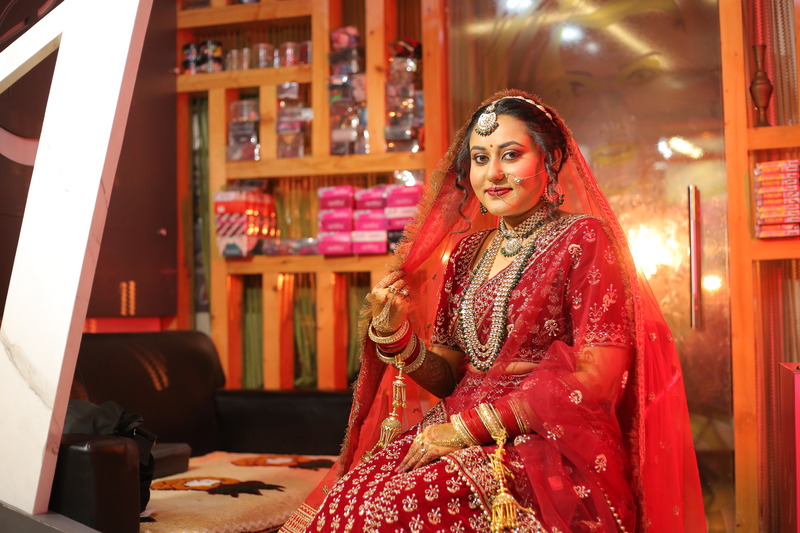
Because the most valuable wedding photographs are not simply the ones that look beautiful—they are the ones that bring your memories back to life.