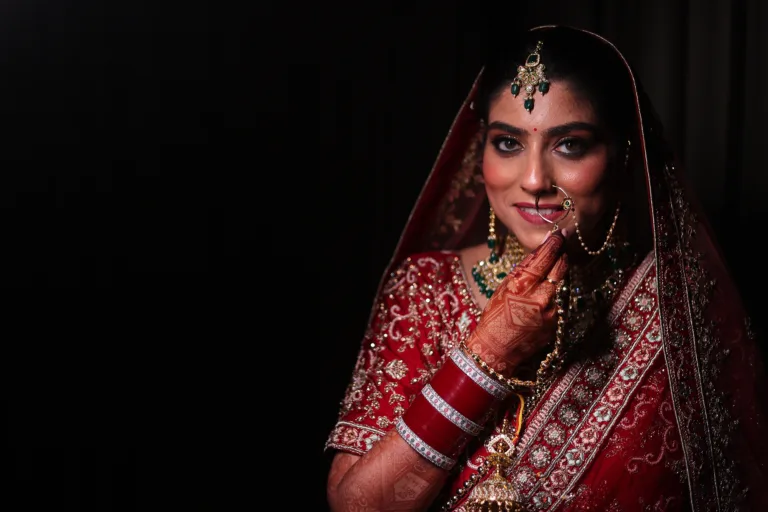
How to Plan for Beautiful Wedding Photos with Studio Rollii
You can have the perfect lehenga, a beautiful venue and a carefully planned wedding—but some of the best photographs of the day can still be missed if photography is treated as something to arrange at the last minute.
Wedding photography works differently from many other wedding services. A photographer cannot recreate a father’s expression during the varmala, the bride’s reaction when she enters the mandap, or the few seconds when grandparents bless the couple. Those moments happen once.
Beautiful wedding photographs therefore begin long before the camera comes out.
Good planning gives your photographer enough time, access and information to anticipate what matters. It also means you can enjoy your wedding instead of spending the entire day worrying about photographs.
At Studio Rollii, we approach wedding photography as a combination of preparation, observation, timing and storytelling. If you are planning a wedding in Kanpur or nearby areas, here is how you can prepare for photographs that feel natural, personal and meaningful.
Start With the Kind of Photographs You Actually Want
Before discussing packages or the number of photographs, spend some time looking at complete wedding stories.
Do you prefer photographs that feel spontaneous? Are you drawn to emotional family moments, elegant couple portraits, dramatic lighting or colourful documentary-style images?
Most couples want a combination of these, but the balance matters.
For example, candid wedding photography is particularly useful for moments that happen naturally—family reactions, laughter during Haldi, conversations between ceremonies and expressions that disappear almost immediately.
Formal photography has a different purpose. Family portraits, group photographs and important rituals need more direction and organisation.
The best wedding coverage usually does not force you to choose one style. It gives both approaches their place.
You can explore our Candid Wedding Photography in Kanpur service to understand how Studio Rollii approaches natural wedding moments.
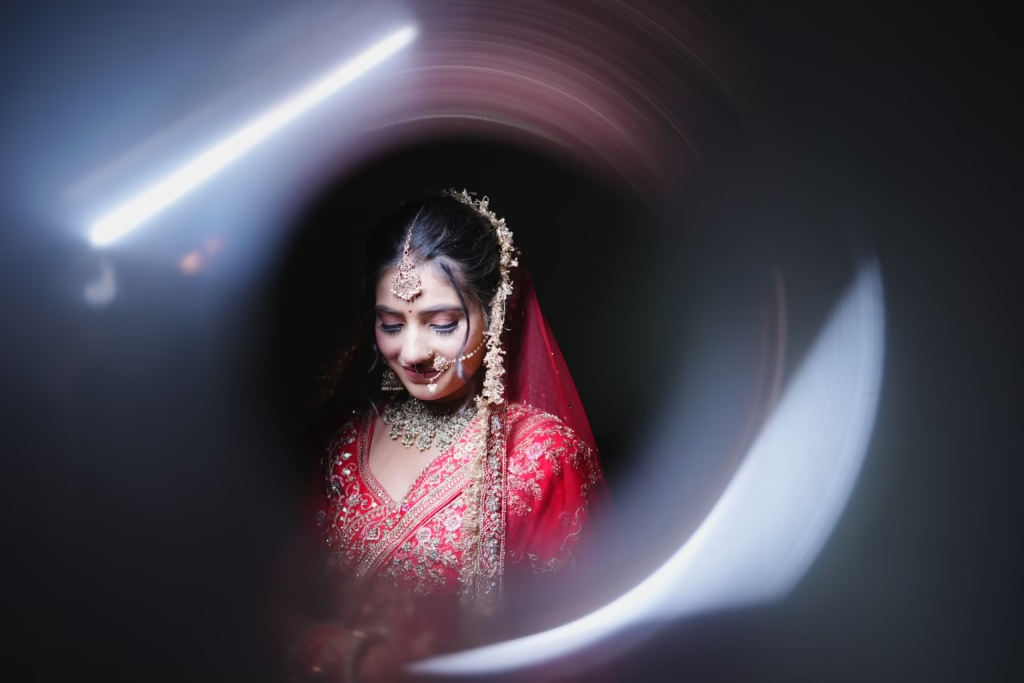
Share Your Complete Wedding Schedule With Your Photographer
A wedding photographer should know more than the date of the wedding.
Share the complete schedule of your functions, including:
Haldi
Mehndi
Engagement or ring ceremony
Sangeet
Bridal and groom preparations
Wedding ceremony
Varmala
Family rituals
Reception
Vidaai
The timing of these events affects how your photographs will look.
A ceremony scheduled around sunset, for instance, may provide a very different lighting opportunity from the same ceremony held later at night. Similarly, if the photographer knows that the bride will enter from a particular side of the venue, the team can plan position and lens selection instead of reacting at the last moment.
This is one reason we recommend discussing the schedule with your photography team before the wedding rather than simply sending the venue address.
Give Extra Attention to the Wedding Timeline
Indian weddings often run on a packed schedule. A ceremony may be delayed, guests may arrive late and several important rituals can happen within a short period.
That does not mean photography needs to feel rushed.
If you want relaxed couple portraits or family photographs, keep a little buffer between major functions wherever possible. Even 15–20 minutes can make a noticeable difference when the photographer is trying to create something beyond quick documentation.
A practical timeline might allow separate windows for:
Bride’s preparation → Groom’s preparation → Couple portraits → Family photographs → Main ceremony → Reception or celebrations
The exact schedule will depend on your wedding, but the principle remains the same: photography needs time to breathe.
Think About Light Before You Think About Poses
Light has a greater influence on photographs than most couples realise.
A beautiful venue can still become difficult to photograph if the couple is placed directly under harsh overhead lighting or in an area with mixed colour temperatures.
This becomes especially relevant at Indian wedding venues where you may have stage lighting, LED screens, decorative lights, chandeliers and changing ambient light all operating simultaneously.
An experienced photographer considers these conditions while working.
For outdoor portions of a wedding, the position of the sun can also affect portraits. Early morning and late afternoon light can produce a softer appearance, while strong afternoon sunlight requires a different approach.
If your wedding includes outdoor portraits, discuss the timing with your photographer during planning.
Keep the Getting-Ready Time in the Schedule
Some couples underestimate how valuable bridal and groom preparation photographs can become.
The actual wedding ceremony may receive most of the attention, but preparation photographs often contain the quieter parts of the story.
The bride with her mother.
Friends helping with jewellery.
A sibling adjusting a dupatta.
The groom getting ready with his closest friends.
A final look in the mirror before leaving.
These photographs also help create a complete narrative rather than making the wedding album feel like a collection of stage photographs.
If you want these moments documented, tell your photographer beforehand and allow sufficient time for preparation coverage.
Make a Short List of People Who Must Be Photographed
Your photographer will notice many people during the wedding, but they cannot automatically know which relatives are especially important to your family.
Create a simple list.
It could include:
Parents and grandparents
Siblings
Close cousins
Immediate family
Special family friends
People travelling from another city
Elder family members who may not stay for long
This becomes particularly useful during large Kanpur weddings where dozens of relatives may be present and several functions may be happening simultaneously.
You do not need to create a list of every possible combination. Identify the photographs your family would genuinely regret missing.
Plan Family Photographs Before Everyone Disperses
Group photographs are usually easiest immediately after an important ceremony, when the relevant family members are already together.
If you leave them until much later, people start moving to different rooms, eating, meeting guests or leaving the venue.
Choose someone from the family who can help coordinate relatives.
This person does not need to be a photographer. Their job is simply to help locate people quickly when the photographer calls for a particular group.
That small bit of coordination can save a surprising amount of time.
Don’t Turn the Entire Wedding Into a Photoshoot
This is one of the most important points.
You hired a photographer so that you can remember your wedding—not so that you spend the entire wedding posing for photographs.
There should be moments when you simply participate in the ceremony, talk to your family, laugh with your friends and enjoy what is happening around you.
A good candid wedding photographer in Kanpur should be able to work around those moments instead of constantly interrupting them.
At Studio Rollii, our candid approach focuses on observation and timing so that photographs can be created while the celebration continues naturally.
Plan Your Couple Portraits, But Keep Them Personal
Couple portraits deserve some planning because they are among the photographs you are most likely to print and display.
You can discuss:
Preferred visual style
Indoor or outdoor portraits
Traditional or contemporary clothing
Important poses you like
Locations within the venue
Available natural light
Whether you want a more cinematic look or natural expressions
But do not bring a list of twenty poses and expect every photograph to feel authentic.
Give your photographer an understanding of what you like, then allow them to work with the location, lighting and your personalities.
The best portraits often happen after the couple becomes comfortable rather than during the first few minutes in front of the camera.
Consider the Venue as a Photography Location
Before your wedding, think beyond the stage.
Walk through the venue with your photographer if possible.
Look for areas suitable for:
Couple portraits
Family photographs
Bridal portraits
Groom portraits
Detail shots
Quiet candid moments
Group photographs
This can be particularly useful in Kanpur, where wedding celebrations may take place in hotels, banquet halls, farmhouses, marriage venues or family properties. Each type of location creates different photographic opportunities.
A photographer familiar with the venue can also anticipate practical issues such as restricted movement, artificial lighting, crowded entrances and limited space around the mandap.
Don’t Forget the Small Details
Your wedding photographs should document more than people.
Photograph the details you spent time choosing:
The invitation.
Jewellery.
Wedding rings.
Bridal footwear.
The wedding attire.
Mehndi.
Decorations.
Floral arrangements.
The mandap.
Table details.
Family heirlooms.
These photographs become useful visual transitions in an album and help you remember what the wedding looked like—not just who attended it.
Decide How You Want Your Wedding Film to Complement the Photographs
Photographs freeze individual moments. A wedding film can preserve movement, voices, music and atmosphere.
If you want both, photography and cinematography should be planned together rather than treated as completely separate services.
For example, during the bride’s entry, one team may be focused on still photographs while another captures moving footage. Good coordination reduces unnecessary interference and helps both teams work efficiently.
Studio Rollii also provides wedding cinematography, including cinematic wedding films and other wedding video requirements depending on the event and coverage planned. You can explore the Photography Services in Kanpur page to see how wedding photography and cinematography fit within our wider services.
If You Are Planning a Pre-Wedding Shoot, Use It as a Practice Session
A pre-wedding shoot is not only about creating photographs before the wedding.
It can also help you become comfortable in front of the camera.
Many couples initially feel awkward because they are not used to being photographed together. After spending some time with a photographer, they understand how to move, where to look and how much direction they actually need.
That comfort can be valuable on the wedding day when there is much less time and far more happening around you.
If this is something you are considering, take a look at our Pre-Wedding Photography service.
Prepare Your Photographer for the Moments That Matter to Your Family
Every family has moments that may not be obvious to an outsider.
Perhaps a grandparent is attending despite health or travel difficulties. Maybe a sibling is returning from another country. Perhaps a particular family ritual has special meaning.
Tell your photographer.
This information helps the photography team understand where to pay attention.
Wedding photography is not simply about photographing whatever happens in front of the camera. It is about knowing which moments deserve anticipation.
Allow Your Photographer to Observe
Some of the strongest photographs happen when nobody is looking directly at the camera.
A mother watching her daughter.
Friends laughing during a break.
The groom talking to his father.
Grandparents watching the ceremony.
A couple exchanging a quick glance while everyone else is busy.
These moments require patience.
If every few minutes are interrupted for a photograph, many of these natural interactions disappear. Give your photographer room to observe the wedding as it unfolds.
That is where candid photography becomes more than simply taking unposed pictures.
Build a Photography Plan, Not a Photography Checklist
There is a difference.
A checklist tells you what photographs to take.
A plan tells your photographer when, where and why those photographs need to happen.
Before your wedding, make sure your photography team knows:
Your wedding date and venue
Complete function schedule
Expected number of guests
Important family members
Special rituals
Preferred photography style
Portrait preferences
Photography and video requirements
Any restrictions at the venue
This information allows your photographer to prepare rather than improvise everything on the wedding day.
Why Planning Matters to Beautiful Wedding Photography
The camera and lenses matter, but equipment alone does not create a meaningful wedding photograph.
Timing matters.
Light matters.
The photographer’s position matters.
The relationship between the photographer and the people being photographed matters.
And preparation matters.
At Studio Rollii, our wedding photography approach combines planned coverage with the freedom to respond to real moments as they happen. Our work includes candid photographs, traditional wedding coverage, portraits, family photographs and visual details that together create a fuller story of the celebration.
If you want to see how this approach looks in actual photographs, visit our Wedding Photography Portfolio, where you can explore wedding, pre-wedding and candid photography work.
Planning a Wedding in Kanpur?
If your wedding date is confirmed, the next useful step is to discuss the actual event rather than choosing a photographer only from a price list.
Share your date, venue, functions and the kind of photographs you want to preserve. This gives the photography team enough information to understand the scale of the assignment and suggest appropriate coverage.
Studio Rollii is based in Kanpur and provides wedding photography for celebrations in Kanpur and selected nearby and destination locations across Uttar Pradesh.
You can contact Studio Rollii for wedding photography in Kanpur to discuss your date and requirements.
Your wedding will move quickly. The photographs should not feel rushed.
Plan the important parts, communicate what matters to you, and then leave enough space for the moments nobody planned. Those are often the photographs you will value most years later.
Studio Rollii — Professional Wedding & Candid Photography in Kanpur
Saurabhh Mishra Photography — Powered by Studio Rollii
Frequently Asked Questions About Planning Wedding Photography
How early should we plan our wedding photography?
Ideally, start discussing photography once your wedding date and venue are reasonably confirmed. This gives you time to review portfolios, discuss the photography style you prefer and plan coverage around your wedding schedule.
What should we tell our wedding photographer before the wedding?
Share your wedding date, venue, function timings, important rituals, expected guest count, important family members and any specific photographs that matter to you. If there are unusual traditions or important family circumstances, mention those as well.
How much time should we keep for couple portraits?
There is no single time requirement for every wedding, but keeping a dedicated window for couple portraits helps. Even a short uninterrupted period can be useful when the photographer already understands the venue and lighting conditions.
Should family photographs be planned in advance?
Yes. A short list of essential family combinations can prevent important photographs from being missed. It is also useful to nominate a family member who can help gather relatives when group photographs are being taken.
What is the difference between candid and traditional wedding photography?
Traditional photography generally involves more direction and planned group photographs, while candid photography focuses more on spontaneous expressions, interactions and moments as they naturally happen. A complete wedding photography plan can include both.
Do we need separate photography and wedding cinematography?
Photography and cinematography preserve different aspects of a wedding. Photographs capture individual frames, while cinematography can preserve movement, sound, music and the atmosphere of the event. Couples who want both should ideally plan the two services together.
Can a wedding photographer help us plan the photography timeline?
Yes. An experienced wedding photographer can identify where additional time may be useful for portraits, family photographs, preparation coverage and important ceremonies. The final timeline should still be coordinated with the wedding planner, venue and family.
What makes wedding photographs look natural?
Natural photographs usually come from good timing, comfortable subjects, appropriate lighting and allowing genuine interactions to happen without constant posing. Planning helps create the conditions for those moments without turning the wedding into a continuous photoshoot.
check our blog:
How to Choose the Right Wedding Photography Package for Your Wedding